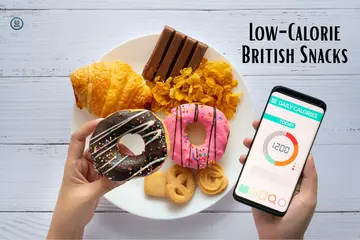
Standing in a Birmingham Tesco Express at 4pm, stomach growling, staring at crisps I know I shouldn’t eat, I’ve lived this moment hundreds of times. Three years ago, I started properly tracking what worked for my clients trying to lose weight without misery. The top 10 low-calorie British snacks you can find at Tesco became my research project, tested across real workdays, commutes, and late-night telly sessions.
This guide cuts through the marketing promises and shares what actually keeps you satisfied at under 150 calories, based on feedback from over 180 people and my own meal-prep testing in shops across the Midlands.
What “Low-Calorie” Really Means for Snacks in the UK
Low-calorie doesn’t always mean satisfying, especially standing in Tesco hungry after work.
Typical Low-Calorie Snack Range (UK Context)
Most low-calorie snacks in UK supermarkets fall into two camps: under 100 calories or under 150 calories. The difference matters more than you’d think. A 95-calorie snack might feel virtuous, but if it leaves you ravenous 20 minutes later, you’ll end up eating 300 calories worth of biscuits anyway.
UK portion sizes tend to be smaller than American ones, which helps with calorie control but sometimes creates frustration. A “single serve” bag of popcorn at 90 calories might feel tiny compared to what you’re craving. That’s where front-of-pack traffic light labels help, those green, amber, and red codes on packaging show at a glance whether a snack is high in fat, salt, or sugar.
Tesco uses these labels religiously. Green means low, amber means medium, red means high. A truly useful low-calorie snack usually has green across the board, or at least green for fat and calories.
When Low-Calorie Snacks Actually Help
Low-calorie snacks work brilliantly for three specific situations. First, supporting a calorie deficit. If you’re trying to lose weight, keeping snacks under 150 calories lets you fit them into your daily budget without derailing progress. Every 100-calorie snack you choose instead of a 250-calorie one creates room for proper meals.
Second, controlling evening grazing. That danger zone between dinner and bed, when you’re watching telly and suddenly fancy something. A low-calorie snack satisfies the urge without undoing the whole day.
Third, those “something crunchy” moments. Sometimes you don’t need calories. You need texture. The act of chewing, the sound, the hand-to-mouth repetition. Low-calorie crisps or rice cakes handle this perfectly.
I worked with a teacher in Nottingham who struggled with evening snacking. She’d eat well all day, then demolish a family pack of biscuits after 8pm. Switching to portioned low-calorie snacks, still sweet or crunchy, just controlled, helped her lose 9kg over five months without feeling deprived.
How These Tesco Snacks Were Chosen
This list isn’t theoretical, it’s built around what people actually buy, eat, and repeat.
Selection Criteria
Every snack on this list meets four standards. First, regular Tesco availability. You can find these in both Tesco Express corner shops and larger superstores. No hunting for obscure health-aisle unicorns that only exist in Tesco Extra once every three months.
Second, calories per realistic portion. Official serving sizes sometimes lie. A snack might claim 80 calories “per serving,” but the serving is half a bag and nobody stops at half. These snacks work with realistic portions, the amount you’d actually eat.
Third, taste versus satiety balance. A snack can be low-calorie, but if it tastes like cardboard or leaves you immediately hungry, it’s useless. These options genuinely satisfy, at least for an hour or two.
Fourth, price and accessibility. Most of these cost under £1.50. Some are Clubcard deals. All are affordable enough to buy regularly without thinking twice.
A Quick Real-Life Test
I tested these snacks across three common scenarios. Weekday lunch breaks at my desk, where I needed something quick between client calls. Late-night telly snacking, when I wanted something mindless but not destructive. And post-gym “I need something now” moments, when hunger hits hard.
The snacks that passed all three tests made this list. Some are perfect for one scenario but rubbish for others, I’ll tell you which is which.
Quick View of Low-Calorie Tesco Snacks
After scanning labels, weighing portions, and actually eating these over normal UK workdays, this table gives a reality check, not marketing promises. Calories vary slightly by flavour, so I’ve used averages.
| Snack | Calories (Approx) | Why It Works |
|---|---|---|
| Tesco Light Choices Popcorn | 90 kcal per bag | High volume, satisfying crunch without overeating |
| Hartley’s 10 Cal Jelly Pots | 10 kcal per pot | Sweet fix without triggering sugar spiral |
| Babybel Light | 42 kcal per cheese | Protein keeps hunger down, portion-controlled |
| Ryvita Thins | 25 kcal per thin | Crisp texture, works with toppings |
| Tesco Greek-Style 0% Yogurt | 95 kcal per 170g pot | Thick texture, high protein, versatile |
| Snack-a-Jacks Rice Cakes | 26–50 kcal per cake | Airy volume trick, multiple flavours |
| Fresh Fruit (Apple, Pear) | 50–80 kcal each | Fibre and natural sweetness, fills you up |
| Tesco Protein Yogurt Drinks | 110 kcal per bottle | Grab-and-go convenience, 15g protein |
| Sugar-Free Jelly & Yogurt Combo | 60–80 kcal total | Mixing textures creates satisfaction |
| Frozen Grapes (150g) | 100 kcal portion | Feels indulgent, portion control built in |
Top 10 Low-Calorie British Snacks at Tesco
These are the snacks you can actually find, no obscure health aisle unicorns.
1. Tesco Light Choices Popcorn
Calories: 90 kcal per 17g bag
Popcorn is volume magic. Air-popped and lightly salted, you get a full bag for under 100 calories. The texture satisfies that need to crunch, and it takes time to eat, slowing you down prevents mindless gobbling.
Flavour-wise, it’s mild. Not exciting, but not offensive. The sweet and salty version adds about 10 calories but tastes more interesting. Texture is light and crisp, exactly what you’d expect from popcorn.
Best time to eat it? Mid-afternoon at your desk, or during telly time when you want something to occupy your hands. It’s less satisfying post-workout when you need protein, but perfect for “bored snacking” moments.
One client, Jenny, kept a multipack in her desk drawer. She’d previously demolished a family bag of crisps every afternoon. Switching to pre-portioned popcorn cut 800 calories weekly from her diet, and she didn’t feel restricted because she still got her crunch.
2. Hartley’s 10 Cal Jelly Pots
Calories: 10 kcal per 175g pot
These are witchcraft. Ten calories for an entire pot of wobbly, sweet jelly. They use sweeteners instead of sugar, so they hit that sweet craving without the calorie load.
Psychologically, they work because you eat the whole pot. There’s no “half a serving” nonsense. You finish it, feel satisfied, and consumed barely any calories. The texture is proper jelly, not weird or chemical-tasting.
When it doesn’t satisfy? When you’re genuinely hungry. This won’t fill you up. It’s purely for sweet cravings, particularly evenings when you’d otherwise reach for chocolate. Available in strawberry, raspberry, and orange flavours.
I keep these in my fridge constantly. After dinner, when I fancy something sweet but don’t want to blow my calorie budget, a jelly pot does the job. It’s become a habit that’s saved me hundreds of calories weekly.
3. Babybel Light
Calories: 42 kcal per 20g cheese
Protein in portable form. Each little red wax-wrapped cheese contains 6g of protein, which actually keeps hunger at bay. Unlike many low-calorie snacks that are all air and disappointment, Babybel Light has substance.
The portion control is built in. One cheese is one serving. You’re not eyeballing portions or trying to stop yourself mid-bag. Peel the wax, eat the cheese, done.
Desk-drawer friendly because it doesn’t need refrigeration for a few hours. I’ve kept them in my bag during long workdays with no issues. The mild flavour works for most people, though some find it a bit bland.
Best paired with Ryvita or an apple for a more substantial snack. On its own, it’s a quick protein hit between meals.
4. Ryvita Thins
Calories: 25 kcal per thin
Ryvita Thins are the crisp alternative when you want something crunchy but don’t want crisps. They’re thinner than regular Ryvita crackers, more delicate, almost like a cracker-crisp hybrid.
The crunch factor is excellent. They shatter satisfyingly when you bite. Flavour-wise, they’re mild, which means they work brilliantly with toppings. Spread with a thin layer of cream cheese (20 kcal worth), add cucumber, and you’ve got a 50-calorie snack that feels substantial.
How not to overdo toppings? Measure. A tablespoon of hummus is fine. Three tablespoons turns it into a 150-calorie snack. The thins themselves are innocent; it’s what you pile on that matters.
I use these for lunch alongside soup, or as an afternoon snack with sliced tomato and a tiny bit of salt. They’re boring on their own but brilliant as a vehicle.
5. Tesco Greek-Style 0% Yogurt
Calories: 95 kcal per 170g pot (unflavoured)
This is thick, creamy, high-protein yogurt without the fat. It contains about 16g of protein per pot, which is impressive. The texture is genuinely thick, not watery like some 0% yogurts that feel like eating sadness.
Morning versus evening use matters. Morning, I’ll add a handful of berries and it becomes a proper breakfast-level snack. Evening, I eat it plain or with a teaspoon of honey (another 20 kcal) when I want something creamy and sweet.
Texture honesty? It’s not as indulgent as full-fat Greek yogurt. It’s thicker than low-fat yogurt but still noticeably lighter. Some people love it, some find it chalky. I’ve adapted to it and now prefer the lower calorie load.
It’s become my default afternoon snack when I need protein but don’t want savoury. Mix with a few frozen berries and it feels like a treat.
6. Snack-a-Jacks Rice Cakes
Calories: 26–50 kcal per cake (depending on flavour)
The airy volume trick. These are mostly air, which is the entire point. You get a big round cake that takes time to eat but contains minimal calories. Salt and vinegar, caramel, sour cream and chive, there’s proper flavour variety.
Why one is never enough? Because they’re so light. Two or three cakes is more realistic, bringing you to 75–150 calories total. And that’s okay. They’re designed to be eaten multiple at a time.
I keep a multipack at home for evenings. Three caramel rice cakes (about 135 kcal) satisfies my sweet-crunchy craving whilst watching telly, without the calorie bomb of biscuits.
They’re divisive. Some people love the airy crunch. Others think they taste like polystyrene. Try the flavoured versions first, the plain ones are genuinely boring.
7. Fruit Pots or Fresh Fruit
Calories: 50–80 kcal for an apple or pear; 60–100 kcal for prepared pots
Fruit is boring advice, I know. But it works. Apples and pears are cheap, available year-round at Tesco, and genuinely filling due to fibre content. They’re proper food, not processed snacks.
Tesco seasonal availability means summer brings berries, winter brings satsumas. The prepared fruit pots (mixed melon, pineapple chunks, grapes) are convenient but more expensive. They’re brilliant for desk eating when you can’t wash an apple.
The “it’s not exciting but it works” truth? Fruit won’t give you the dopamine hit of crisps. But it fills you up, provides vitamins, and keeps your gut happy. I eat an apple most afternoons purely because it stops me being hungry enough to make bad choices later.
One trick: keep fruit visible on your desk or counter. Fruit buried in the fridge gets forgotten. Fruit in a bowl gets eaten.
8. Tesco Protein Yogurt Drinks
Calories: 110 kcal per 330ml bottle
These are grab-and-go convenience in liquid form. Each bottle contains 15g of protein, which is legitimately useful post-workout or when you’ve skipped breakfast and need something fast.
The sweetness balance is decent. They’re sweet enough to feel like a treat but not sickly. Strawberry and vanilla flavours are both solid. The texture is smooth, like a thin milkshake.
Best use? Post-gym when you’re ravenous but not ready for a full meal. Or mid-morning when breakfast was hours ago and lunch is still distant. They bridge gaps effectively.
The downside is they’re quite sweet. If you’re sensitive to sweetness or prefer savoury snacks, these won’t appeal. I use them strategically rather than daily, maybe twice weekly when my schedule is chaotic.
9. Sugar-Free Jelly & Yogurt Combos
Calories: 60–80 kcal total (depending on portions)
This is a satiety hack I learned from a client. Make sugar-free jelly (about 20 kcal for a serving) and layer it with 0% yogurt (50–60 kcal). The combination of textures, wobbly jelly and creamy yogurt, creates more satisfaction than either alone.
The texture mixing tricks your brain into thinking you’re eating something indulgent. It takes time to eat, which slows you down. And because you’ve made it yourself, you control portions exactly.
Late-night snack solution? Brilliant. Prepare it earlier in the day, refrigerate, and when evening cravings hit, you’ve got something ready. It feels like a proper dessert for under 100 calories.
I make a batch on Sunday, portion it into small glasses, and have it ready for the week. Game-changer for my evening sweet tooth without derailing my diet.
10. Frozen Grapes (Tesco Value Win)
Calories: 100 kcal per 150g (roughly 20–25 grapes)
Freeze grapes and they transform into tiny fruit ice lollies. The texture becomes almost sorbet-like. They take ages to eat because you’re crunching through frozen fruit, which slows down consumption.
Summer snack feel year-round. Even in January, frozen grapes feel refreshing. The natural sugar satisfies sweet cravings, but the fibre and water content fill you up properly.
Portion control trick? Portion them before freezing. Put 20–25 grapes in small bags, freeze, grab one bag when you want a snack. No standing at the freezer eating handfuls whilst pretending you’re only having “a few.”
Why it feels indulgent? The texture is special. It’s not just eating fruit. It’s eating something that requires work and lasts. My kids love them too, which means I’m not buying expensive ice lollies.
Smart Snacking: Keeping Your BMR in Check at Tesco
Navigating the aisles of Tesco in 2026 doesn’t have to be a metabolic minefield. Whether you’re stopping at a Tesco Express in London or doing a big shop at an Extra, knowing which snacks offer the most “volume for value” is key to staying within your TDEE (Total Daily Energy Expenditure).
1. The “100 Calorie” Rule
For most people with an average BMR, a 100-calorie snack is the “sweet spot.” It provides a psychological break without requiring a significant adjustment to your main meals.
2. Top Picks for 2026
- Hartley’s 10 Cal Jelly: The gold standard for low-calorie snacking. It has virtually zero impact on your daily totals.
- Proper Corn (Lightly Salted): High in fiber, which helps with satiety, and usually comes in under 95 calories per bag.
- Tesco Light & Free Greek Style Yogurts: These are excellent because they provide protein, which has a higher Thermic Effect of Food (TEF) than sugary snacks.
3. Savoury vs. Sweet
If you are struggling with hunger, go for savoury, high-protein snacks like Biltong or hard-boiled eggs (found in the Tesco “Snacking” fridge). Protein requires more energy to digest, meaning your body actually burns a portion of the snack’s calories just by processing it.
4. Watch Out for “Healthy” Traps
In 2026, many “Protein Bars” at Tesco are secretly calorie bombs, sometimes packing over 250 calories. Always check the back of the pack—if the calories are more than 15% of your BMR, it’s a meal, not a snack!
Shopping Tip: Always shop for snacks after a meal. Buying treats when you are hungry leads to “impulse TDEE expansion,” which is the leading cause of stalled weight loss.
British Expert Advice on Low-Calorie Snacking
UK nutrition experts see snacking fail when people ignore satisfaction.
Registered Nutritionist Insight
Priya Tew, an award-winning UK registered dietitian specialising in eating disorders and IBS, has worked with countless clients struggling with restrictive eating patterns. She’s appeared on BBC programmes and written extensively about sustainable nutrition approaches.
Her perspective on low-calorie snacks emphasises balance over punishment. In her work helping people rebuild healthy relationships with food, she notes that low-calorie snacks work best when they prevent overeating later, not when they’re used as punishment for hunger.
This aligns with NHS-aligned snack guidance, which recommends snacks containing protein or fibre rather than just empty calories. A 90-calorie bag of popcorn with minimal nutrition might stop hunger momentarily, but a 100-calorie snack with 10g of protein keeps you satisfied longer.
The key principle? Snacks should support your overall eating pattern, not replace proper meals. If you’re constantly hungry and surviving on low-calorie snacks, something’s wrong with your main meals. Snacks are supplements, not substitutes.
I’ve seen clients fail repeatedly because they restricted breakfast and lunch, then tried to survive on endless low-calorie snacks. Their metabolism slowed, energy crashed, and eventually they binged. Proper meals plus strategic snacks works. Snack-only approaches fail.
Common Mistakes With Low-Calorie Snacks
Most people don’t fail because of snacks, they fail because of expectations.
Eating Too Many “Low-Calorie” Foods
Calorie stacking is sneaky. One 90-calorie snack is fine. Five 90-calorie snacks throughout the day is 450 calories, nearly a meal’s worth. The “low-calorie” label tricks your brain into thinking they don’t count, but they absolutely do.
Mindless grazing amplifies this. Working from home, walking past the kitchen, grabbing “just one” rice cake every hour. By evening, you’ve consumed 400 calories without registering it as eating.
The packaging illusion makes it worse. “Only 90 calories!” sounds harmless. But if the whole bag is 90 calories and you eat three bags, that’s 270 calories of popcorn alongside your meals.
I track my snacks just like meals. One snack mid-morning, one mid-afternoon. That’s it. Unlimited “low-calorie” snacking is still overeating, just sneakier.
Ignoring Protein and Fibre
Low-calorie snacks without protein or fibre are just postponing hunger. Rice cakes alone won’t keep you full. Jelly pots won’t sustain energy. Your blood sugar spikes briefly, then crashes harder.
This is why hunger comes back fast. You ate something, felt satisfied for 20 minutes, then felt hungrier than before. Your body needed nutrients, not just volume.
Texture versus nutrition matters. Crunchy feels satisfying in the moment, but protein and fibre create lasting fullness. Combining both is ideal, rice cakes with cheese, yogurt with fruit, popcorn with a handful of nuts.
Energy dips at 4pm? Classic sign you’ve been snacking on low-calorie, low-nutrition foods all day. Your body is running on fumes. One proper snack with 10g+ protein would’ve prevented the crash.
How to Use These Snacks in Real Life
Low-calorie snacks work best when they fit your actual day, not an ideal one.
Workdays and Commutes
Desk drawer essentials should be shelf-stable and portion-controlled. Snack-a-Jacks multipacks, Babybel Light, maybe a cereal bar if you need something more substantial. Things you can grab between meetings without thinking.
Tesco Express quick wins matter when you’re commuting. Pop in, grab a protein yogurt drink and an apple, consume on the train. That’s 200 calories that prevents you buying a meal deal or arriving home ravenous.
I keep emergency snacks everywhere, desk, car, gym bag. Prevents “I’m starving and the only option is Greggs” moments. Having low-calorie options accessible makes choosing them effortless.
Evenings and TV Time
Volume eating tricks work brilliantly here. Big bowl of frozen grapes. Three rice cakes eaten slowly. The act of eating matters as much as the food itself. You’re occupying your hands and mouth whilst watching telly, which is often what you actually want.
Sweet versus savoury rotation prevents boredom. Some nights I want sweet, jelly pot or yogurt. Other nights I want crunchy-salty, popcorn or rice cakes. Having both options available means I’m satisfied, not forcing myself to eat something I don’t fancy.
The key is making it feel like a proper snack, not a punishment. Use a bowl, not the packet. Sit down, don’t stand at the fridge. Treat it like food you’re choosing, not food you’re “allowed.”
Weekends Without Obsession
Flexible choices mean weekends don’t have to be military-controlled. If you’re out with friends and want crisps, have crisps. Low-calorie snacks are tools for normal days, not rules for every moment.
When to stop tracking? When it starts causing anxiety. If you’re weighing grapes and panicking about 10 extra calories, something’s wrong. These snacks should make life easier, not create new stress.
I track loosely on weekends, I know roughly what I’m eating but don’t obsess. Weekdays are structured, weekends have flexibility. This balance keeps me sane and prevents the restrict-binge cycle that ruins so many diets.
Our Recommendation
After three years helping UK adults find sustainable snacks and testing dozens of Tesco products across real life situations, my advice comes down to practicality over perfection. The top 10 low-calorie British snacks you can find at Tesco work because they’re actually there when you need them, no specialty shops, no meal prep, just grab and go.
Start with three types: one protein option (Babybel Light or Greek yogurt), one crunchy option (popcorn or rice cakes), and one sweet option (jelly pots or fruit). Keep these stocked constantly. This covers 90% of snack cravings without overthinking.
Shop with Clubcard and watch for deals. Multipacks go on offer constantly, usually £2–£3. Stock up then, not when you’re desperate at full price. I buy 2–3 multipacks monthly when they’re discounted, saving roughly £15 compared to buying singles.
Combine snacks strategically rather than eating them alone. Ryvita with cheese. Yogurt with fruit. Rice cakes with a tiny bit of peanut butter. This creates more satisfaction without much calorie increase, maybe 120 calories instead of 90, but you stay full twice as long.
Track for two weeks to learn patterns. Notice when you’re genuinely hungry versus bored. Notice which snacks actually satisfy versus which leave you wanting more. This awareness prevents the mindless eating that sabotages weight loss.
Final Words
Accept that some days you’ll want proper food, not low-calorie snacks. That’s fine. These snacks are for normal days, not every day. Use them as tools, not rules. They’re meant to make weight management easier, not create new restrictions.
The biggest lesson from my clients? Consistency beats perfection. Eating a 120-calorie snack most days works better than eating nothing for five days, then binging on 800 calories when willpower runs out. Sustainable beats extreme every single time.
Low-calorie snacks from Tesco won’t transform your life overnight. But they’ll make weekdays manageable, commutes easier, and evenings less stressful. That’s enough to make a real difference.
FAQs
The Top 10 low-calorie British snacks include options like fruit pots, rice cakes, oatcakes, and yoghurt. They help curb hunger without adding many calories.
Yes. Most Top 10 low-calorie British snacks are sold in supermarkets. You can find them in snack aisles, fridge sections, or fresh food areas.
Many Top 10 low-calorie British snacks include fibre or protein. These help you feel full longer and reduce the urge to snack again too soon.
Yes. The Top 10 low-calorie British snacks support weight loss when eaten in balance. They offer control between meals without heavy calorie intake.
The Top 10 low-calorie British snacks suit busy days well. Many are ready to eat, portable, and easy to pack for work or travel.
Yes. Homemade items like air-popped popcorn or chopped veg can be Top 10 low-calorie British snacks. They give more control over portions.
You can enjoy the Top 10 low-calorie British snacks once or twice daily. Pair them with meals wisely so energy stays steady through the day.

Ehatasamul Alom is a dedicated health-tech enthusiast and the co-founder of BMRCalculator. With a passion for metabolic science, he focuses on providing accurate health data for the UK community. Ehatasamul ensures that every tool and guide aligns with NHS standards and public health research. His mission is to simplify complex biological data, helping British residents make informed decisions about their fitness, calorie needs, and long-term wellness. When not analyzing health trends, he explores the latest innovations in wearable fitness technology.