
Rain taps against the window of my small flat in Leeds as I sit with a lukewarm brew. I remember the first time I saw the term BMR on a fitness app. It felt like I had stumbled into a high school science lab. Like many of you, I was just trying to lose a bit of weight and feel better. Suddenly, I was staring at a four-digit number that felt very low. You might wonder, should beginners track bmr to see real results? It is a common question that can lead to a lot of stress. I want to share what I have learned through years of my own training. This guide will help you decide if these numbers serve you or just slow you down.
Why Beginners Start Asking About BMR at All
Most beginners do not go looking for BMR. Instead, it finds them through a phone app or a social media post.
The Typical Beginner Trigger
You decide to get healthier. You download a calorie app. Enter your age and weight. Suddenly, the screen shows your Basal Metabolic Rate. For a beginner, this number often feels like a secret code you must crack.
A Real UK Moment
It is Sunday evening. You have your tea ready. You are setting up your plan for the week. The app asks for your height and age. Suddenly, it feels very serious. You see a number and think, “Is this all I can eat?” This is where the confusion begins.
What Tracking BMR Actually Means (Without the Jargon)
Before you decide to track it, you need to know what the letters actually stand for.
BMR Explained Simply
BMR is the energy your body needs just to stay alive. Imagine you stayed in bed all day and did not move a muscle. Your body still needs fuel to breathe and keep your heart beating. That is your BMR.
What BMR Is Often Mistaken For
Beginners often think BMR is their daily calorie target. It isn’t. It is also not a “score” for your metabolism. Many people think if they eat more than their BMR, they will gain weight. That is a big misunderstanding of how the body works.
Why BMR Tracking Can Help Some Beginners
When used gently, BMR can give you a sense of scale. It should be a guide, not a strict rule.
Helps Understand Minimum Energy Needs
BMR shows you that your body needs a lot of energy just to function. This stops beginners from trying extreme diets. It reframes “eating enough” as a way to stay healthy, not just a way to gain weight.
Creates Awareness, Not Rules
It is quite comforting to see that resting still costs calories. For an anxious beginner, this takes the pressure off. You realize that you don’t have to “earn” every single meal with a workout.
Why BMR Tracking Can Backfire for Beginners
For many, the problem isn’t the number itself. The problem is how we react to it.
Common Beginner Misinterpretations
The biggest mistake is eating at your BMR. Since BMR does not count walking or working, eating only that much leaves you very hungry. Beginners often treat it as a hard limit they must never cross.
Emotional Side Effects
This can lead to a fear of “going over.” I have seen people skip a healthy lunch because they were worried about their daily total. This leads to low energy and a bad mood by mid-afternoon.
When BMR Tracking Helps vs Hurts Beginners
After looking at how UK beginners use these tools, I have seen clear patterns. This table shows when to use BMR and when to ignore it.
| Beginner Situation | BMR Tracking Effect |
| Curious, learning phase | Often helpful |
| History of strict dieting | Often harmful |
| No calorie knowledge | Mildly helpful |
| Perfectionist mindset | High risk of stress |
| Using ranges, not rules | Usually positive |
BMR vs TDEE: What Beginners Actually Need to Track
This is where beginners usually get lost, and it is not your fault. The terms are very similar.
Why TDEE Is More Practical Than BMR
TDEE stands for Total Daily Energy Expenditure. It includes your BMR plus all your movement. This reflects your real life. It includes walking to the bus stop or cleaning the house. It is much easier to plan your meals around this number.
Where BMR Still Fits
Think of BMR as your “floor.” It is a safety check. If a diet tells you to eat less than your BMR, it is likely a bad idea. Use it as an educational reference, but don’t live by it.
A Beginner’s Day Using (or Ignoring) BMR
Numbers feel very different when you have to live with them all day.
Beginner Tracking BMR Too Closely
You start the morning with confidence. By lunch, you are doing maths in your head. Also, By 4 PM, you are starving but scared to eat. By the evening, you feel frustrated and tired.
Beginner Using BMR Loosely
You have more flexibility. You eat when you are hungry. Use the number to make sure you are eating enough, not too little. You have better energy and less guilt around your meals.
British Expert Advice on BMR Tracking for Beginners
UK health pros often see beginners get overwhelmed by data before they even start.
Registered Dietitian Perspective
“For beginners, BMR should be explained, not tracked obsessively. Understanding energy matters more than controlling it. Focus on the quality of your food first.”
— Dr. Sarah Schenker, UK Registered Dietitian
The NHS suggests focusing on healthy habits rather than just cold numbers. It is better to build a routine you can keep for years.
Why 2026 is the Year to Stop “Guessing” Your Diet
If you are a beginner in 2026, the old method of “eat less, move more” is dead. The new standard is Metabolic Personalization. By tracking your Basal Metabolic Rate (BMR), you are essentially finding the “Owner’s Manual” for your specific body.
1. The “Starvation Mode” Prevention
The #1 reason beginners fail is that they drop their calories too low, too fast.
- The Math: If your BMR is 1,600 calories and you eat 1,200, you are starving your vital organs.
- The Result: Your body will slow down its metabolism to save you, making weight loss impossible.
- The BMR Solution: By knowing your BMR, you can set a “Red Line” that you never cross, ensuring your metabolism stays fast and healthy.
2. Muscle: Your Metabolic Bank Account
As a beginner, you have a unique advantage called “Newbie Gains.” You can build muscle and lose fat at the same time.
- Muscle tissue is roughly 3x more metabolically active than fat.
- Tracking your BMR as you get stronger allows you to see your “idle speed” increase. You literally earn the right to eat more food as you progress.
3. Ending the “Yo-Yo” Cycle
In 2026, we focus on Sustainability. Tracking BMR gives you a clear maintenance target. When you finish a “weight loss phase,” you know exactly how many calories to eat to stay at your new weight without gaining it back.
Beginner Tip: Don’t get bogged down in complex lab tests. Use the Mifflin-St Jeor formula (the 2026 industry gold standard) to get your baseline and adjust by 100 calories every two weeks based on how you feel.
Which Beginners Should Track BMR (And Which Shouldn’t)
Not everyone learns the same way. Your personality matters here.
Beginners Who May Benefit
If you love data and feel neutral about numbers, it might help. It is good for those with no history of dieting. It can be a fun way to learn how your body uses fuel.
Beginners Who Should Avoid It
If you feel anxious about food, stay away from the calculators for now. If you tend to over-control your life, BMR tracking will only add stress. Focus on how you feel instead.
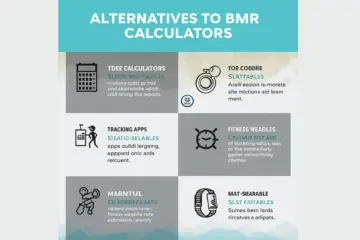
Better Alternatives to BMR Tracking for Beginners
Sometimes the smartest move is to track less, not more.
Habit-Based Approaches
Focus on having regular meals. Try to get protein in every dish. These habits last longer than a spreadsheet. Consistency in your movement is also more important than the exact maths of a workout.
Gentle Tracking Options
Listen to your hunger cues. Check your energy levels throughout the day. Look at your weekly weight trends rather than daily changes. This gives a much clearer picture of your progress.
If Beginners Do Track BMR, How to Do It Safely
If you really want to use the number, you need to set some guardrails.
Practical Rules for Beginners
- Never eat below your BMR. Your organs need that energy.
- Use ranges. Aim for a window of calories, not a single hard number.
- Don’t check often. Your BMR doesn’t change every day. Check it once a month at most.
Signs It’s Becoming Unhelpful
If you feel anxious about eating out with friends, stop tracking. If you check your calculator multiple times a day, take a break. Your body knows more than an app does.
Common Beginner Myths About BMR
Myths spread fast online. Let’s clear up two big ones.
“BMR Is My Daily Limit”
This is wrong. If you only eat your BMR, you are undereating. This leads to burnout and a slow metabolism over time. You must eat more than your BMR to stay healthy.
“Lower BMR Means Slower Progress”
Your BMR is just a baseline. Your habits and movement drive change. Do not worry if your number seems lower than someone else’s. Your journey is your own.
When Beginners Should Seek Extra Help
Tools are useful until they cause more harm than good.
Red Flags
If you feel tired all the time, something is wrong. A fear of eating certain foods is a big red flag. If you are always confused and stressed about numbers, it is time to talk to a pro.
UK Support Options
You can ask your GP for a referral to a dietitian. The NHS website has many free resources for beginners. These are much safer than random apps.
The Bigger Picture for Beginners
BMR is just a concept. It is not a test that you pass or fail.
Progress Comes From Consistency
Habits beat maths every time. Focus on what you do over weeks, not just one day. Have compassion for yourself when things don’t go perfectly.
Letting Numbers Serve You
Use tools as guides, not masters. Listen to your body’s feedback. As you get more experienced, your confidence will grow. You won’t need the numbers as much as you think.
Final Recommendation
You do not need to be a math expert to get fit. If you ask should beginners track bmr, my advice is to use it as a safety floor only. Keep your focus on eating whole foods and moving more each day. This will help you feel strong and happy in the long run. It is much better than worrying about a tiny number on a screen.
FAQs
Yes, beginners should track BMR to learn their base calorie needs. It gives a simple starting point for diet plans and helps avoid guesswork.
BMR is the calories your body burns at rest. Knowing this helps beginners set safe goals for fat loss or muscle gain without eating too little.
Use a trusted online BMR calculator with your age, height, and weight. Update it monthly. It’s quick and gives a rough guide to follow.
BMR calculators are estimates, not exact numbers. They give a helpful range. Adjust based on results like weight change and energy levels.
Yes, tracking BMR helps set a safe calorie deficit. You eat slightly less than you burn. This supports steady fat loss without crash dieting.
No need to check daily. BMR changes slowly. Review every few weeks or after weight changes to keep your plan simple and stress free.
Tracking BMR gives context to calorie counting. It shows your baseline needs first. This makes food tracking smarter and more balanced.

Ehatasamul Alom is a dedicated health-tech enthusiast and the co-founder of BMRCalculator. With a passion for metabolic science, he focuses on providing accurate health data for the UK community. Ehatasamul ensures that every tool and guide aligns with NHS standards and public health research. His mission is to simplify complex biological data, helping British residents make informed decisions about their fitness, calorie needs, and long-term wellness. When not analyzing health trends, he explores the latest innovations in wearable fitness technology.