
Keeping your weight steady often feels like an uphill struggle as the years pass by. On a chilly Tuesday morning in Birmingham, a friend once asked why eating the same lunch suddenly led to weight gain after forty. That question pops up a lot when I chat with fellow riders and gym-goers. It is a common worry, but you can definitely manage how your bmr slows with age. My own journey has shown me that small tweaks to your daily habits make a huge difference. You do not have to accept a sluggish metabolism as your new normal.
Understanding Why BMR Slows With Age
On a chilly Tuesday morning in Birmingham, a friend once asked why eating the same lunch suddenly led to weight gain after forty. That question pops up a lot. The answer usually begins with BMR.
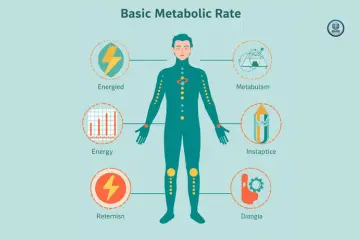
Basal Metabolic Rate is the number of calories your body burns at rest. As we grow older, several quiet changes inside the body slowly nudge that number down. It is not an overnight crash, but a gradual shift that we can actually influence.
What Basal Metabolic Rate Actually Means
- Calories burned while resting: This is the fuel your body needs just to stay alive.
- Energy used for breathing, circulation, and cell repair: Your heart and brain are always working.
- The metabolic “baseline” for daily calorie needs: It is the foundation of your energy use.
Why People Notice Metabolism Changes With Age
You might find that you burn fewer calories during your usual walk. Many people notice that weight gain happens more easily than it did in their twenties. Your energy levels might also shift slightly, making you feel a bit more tired during the day.
BMR vs Total Daily Energy Expenditure
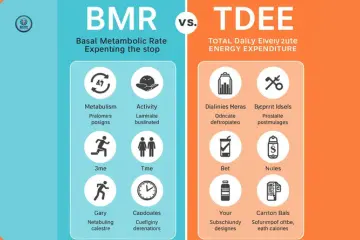
BMR covers your resting metabolism only. Total Daily Energy Expenditure (TDEE) is your BMR plus the energy used for exercise, walking, and even simple daily tasks like gardening. To stay fit, you need to understand both numbers.
The Science Behind Why BMR Slows With Age
Researchers have studied metabolic change for decades. The results are surprisingly consistent. Age itself does not suddenly slow metabolism overnight. Instead, a series of biological shifts gradually change how the body uses energy.
Muscle Loss Over Time
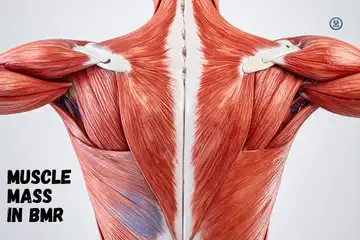
Sarcopenia is the natural decline of muscle mass as we age. Since muscle burns more calories than fat, losing it causes your BMR to drop. This is a primary reason why your bmr slow with age.
Hormonal Changes Through the Years
Men often see a testosterone decline, while women face oestrogen shifts during menopause. These hormones play a huge role in how we store fat and maintain muscle.
Reduced Cellular Energy Use
Inside our cells, mitochondrial efficiency changes. These “power plants” of the cell may become less active over time, which reduces the total energy the body demands at rest.
Lower Physical Activity Levels
Often, our daily movement decreases as we get older. We might take the lift instead of the stairs or drive more often. This lack of movement tells the body it doesn’t need to maintain a high metabolic rate.
Typical BMR Changes Across Age Groups
A nutrition coach in London once showed me how small these changes look year by year. Yet across decades, they become noticeable. It is like a slow leak in a tyre that you only spot when it is nearly flat.
The table below shows an estimated trend many metabolic studies observe. The numbers vary between individuals, but the pattern is fairly common.
| Age Range | Average BMR Trend | Common Observation |
| 20–30 | Highest metabolic rate | Easier calorie burn |
| 30–40 | Slight decline | Subtle weight changes |
| 40–50 | Gradual decrease | Slower fat loss |
| 50–60 | More noticeable drop | Energy needs reduce |
| 60+ | Lower baseline metabolism | Muscle preservation is vital |
Why the Drop Is Usually Gradual
Small yearly shifts in hormone levels and activity accumulate over time. The good news is that your lifestyle choices influence metabolism far more than the date on your birth certificate.
Why Some People Maintain Higher BMR
Folks who keep a high muscle mass through strength training tend to buck the trend. An active lifestyle keeps the metabolic engine revving high, regardless of age.
Key Lifestyle Factors That Speed Up Metabolic Slowdown
On a rainy Sunday walk through Leeds city centre, I noticed something interesting. The older cyclists and runners looked far more energetic than their sedentary peers. Lifestyle clearly matters.
Sedentary Work and Desk Jobs
Long sitting hours are a modern metabolic trap. When you sit all day, your daily movement falls, which encourages the body to slow down its energy production.
Poor Sleep Habits
Lack of sleep causes hormonal balance disruption. It raises stress hormones and lowers the hormones that help you stay lean and energetic.
Highly Processed Diets
Foods with lower nutrient density don’t require much energy to digest. A diet full of whole foods actually burns more calories just during the digestion process.
Chronic Stress and Cortisol Levels
High stress levels lead to elevated cortisol. This hormone can encourage the body to store fat around the middle and slow down your metabolic rate.
Signs Your BMR May Be Slowing With Age
Most people do not measure BMR directly. Instead, the clues appear in everyday life. I started noticing I couldn’t “out-train” a bad diet as easily as I used to.
Weight Gain Despite Similar Diet
If you eat the same amount but the scales go up, your calorie needs have likely fallen. This is a classic sign that your BMR has shifted lower.
Lower Energy Throughout the Day
When metabolic efficiency shifts, you might feel a midday slump more often. Your body is essentially trying to save energy because its “idle” speed has dropped.
Slower Fat Loss During Dieting
You might find that the body conserves energy more easily when you try to eat less. This makes traditional dieting feel much harder than it did ten years ago.
Recovery From Exercise Feels Slower
Age-related physiological changes mean your muscles take longer to repair. This is why a consistent, moderate routine is often better than occasional intense bursts.
Practical Ways to Maintain a Healthy BMR as You Age
Good news first. A slower BMR is not inevitable doom. Many people maintain a strong metabolism well into their sixties. I have seen seventy-year-olds who are fitter than people half their age.
Strength Training and Muscle Preservation
Resistance training 2–3 times weekly is the gold standard. It supports muscle mass, which is the most active tissue for burning calories at rest.
Prioritising Protein Intake
Protein helps maintain lean body mass. It also has a high thermic effect, meaning your body burns more calories just trying to break it down.
Increasing Daily Movement
Don’t just rely on the gym. Walking, cycling, and household activity all add up. Try to keep your “NEAT” (Non-Exercise Activity Thermogenesis) levels high.
Sleep and Stress Management
A consistent sleep schedule keeps your hormones in check. Use relaxation techniques to lower cortisol and keep your metabolic health on an even keel.
Foods That Support Metabolic Health
Nutrition plays a subtle but meaningful role in maintaining metabolic rate. What you put on your plate acts as fuel for your internal engine.
Protein-Rich Foods
Think of fish, eggs, legumes, and lean meat. These provide the building blocks your muscles need to stay strong and metabolically active.
Fibre-Dense Whole Foods
Vegetables, oats, and whole grains keep your digestion moving. They take more energy to process and keep you feeling full for longer.
Hydration and Metabolism
Water supports every single cellular process in your body. Even mild dehydration can cause your metabolic rate to dip slightly.
Balanced Calorie Intake
Avoid extreme dieting. If you eat too little, your body will fight back by slowing your BMR even further to protect your vital organs.
BMR and Age Comparison Example
Sometimes the numbers tell the story better than theory. It helps to see how the calories add up over a few decades of life.
| Age | Estimated BMR | Daily Calorie Difference |
| 25 | 1,750 kcal | Baseline |
| 35 | 1,700 kcal | Slight drop |
| 45 | 1,650 kcal | Noticeable decline |
| 55 | 1,600 kcal | Lower calorie needs |
| 65 | 1,550 kcal | Gradual adaptation |
Why the Change Looks Small but Matters
A drop of 100 kcal daily equals 36,500 kcal yearly. That is the equivalent of about ten pounds of body fat if you do not adjust your habits or activity.
How Lifestyle Can Offset This Drop
Muscle building is the best way to keep that “Estimated BMR” line flat. Consistent activity ensures you are burning enough to match your intake.
Expert Insight on Age-Related Metabolism
Worldwide metabolic research often highlights the importance of lifestyle over age alone. It is more about what we do than how many birthdays we have had.
Metabolism researcher Dr Herman Pontzer, known for his work on energy expenditure, explains: “Age affects metabolism gradually, but physical activity and muscle mass are powerful tools for maintaining energy balance.”
Key Expert Recommendations
Maintain your strength training habits throughout your life. Avoid drastic calorie restriction, as this can lead to muscle loss and a further metabolic slowdown.
Common Misconceptions About Age and Metabolism
Age alone does not “break” metabolism. Your activity level and body composition matter far more than your chronological age. You have more control than you think.
Real Life Scenario Showing BMR Change
Last spring in Bristol, a colleague began strength training after turning forty-five. Within months he noticed something surprising. His weight stabilised even though his calorie intake stayed roughly the same.
Small Habit Changes That Improve Metabolism
Try walking meetings or a quick stroll after lunch. Weekend cycling is also a great way to keep your heart healthy and your metabolism moving.
Behaviour Patterns That Support Healthy Ageing
Consistent meal timing helps regulate your internal clock. Active lifestyle routines, like a daily morning stretch, keep your body primed for energy use.
Tools That Help Track Metabolism and BMR
Modern digital tools make metabolic tracking easier than ever. I use these to keep an eye on my own progress and stay motivated.
Online BMR Calculators
These provide quick metabolic estimates based on your height, weight, and age. They are a great starting point for any new health plan.
Fitness Tracking Apps
Use these to track your calorie intake and your daily energy burn. They help you see the link between what you eat and how you move.
Wearable Devices
Smartwatches estimate your daily calorie expenditure. While not perfect, they are very useful for tracking trends in your activity levels over time.
When to Recalculate Your BMR as You Age
Metabolism evolves slowly, so recalculating occasionally keeps nutrition plans accurate. It is like updating the sat-nav in your car.
Suggested Recalculation Schedule
Check your numbers every 6 to 12 months. You should also recalculate after any weight change of 4–5 kg, as your new body size will have different needs.
During Major Lifestyle Changes
If you start a new exercise routine or make a significant dietary shift, re-check your BMR. This ensures your calorie goals are still aligned with your physical reality.
Final Recommendation
To prevent your bmr slow with age, you should start a simple strength training routine today. Lifting weights twice a week keeps your muscles strong and your metabolism high. I also suggest eating more protein to protect your lean mass. Keeping an active lifestyle will help you stay fit well into your later years. Small changes today will lead to a much healthier future for your body.
FAQs
BMR slows with age because the body often loses muscle and becomes less active. Muscle burns more calories than fat. This change lowers the basal metabolic rate over time.
BMR slow with age often begins in the 30s for many adults. The drop is gradual, not sudden. Small lifestyle changes can help support metabolism as you age.
Yes, exercise can help when BMR slows with age. Strength training builds muscle, which burns more calories at rest. This can support a healthier metabolic rate.
Yes, muscle loss is a key reason BMR slow with age. As muscle mass decreases, the body uses less energy at rest. Maintaining muscle helps protect metabolism.
Yes, a balanced diet can help when BMR slows with age. Protein supports muscle health, while whole foods provide steady energy for daily metabolism.
You can track changes by using a BMR calculator and updating your details often. Checking weight, activity level, and muscle mass helps keep results accurate.
No, BMR slow with age is not the same for everyone. Genetics, activity level, and muscle mass all play a role. Healthy habits can slow the decline.

Ehatasamul Alom is a dedicated health-tech enthusiast and the co-founder of BMRCalculator. With a passion for metabolic science, he focuses on providing accurate health data for the UK community. Ehatasamul ensures that every tool and guide aligns with NHS standards and public health research. His mission is to simplify complex biological data, helping British residents make informed decisions about their fitness, calorie needs, and long-term wellness. When not analyzing health trends, he explores the latest innovations in wearable fitness technology.