For years, I looked completely fine in a loose t-shirt, yet felt soft, squishy, and frustrated every time I caught my reflection without one. When I finally tried to fix my physique, I plugged my stats into an online calculator, completely misunderstanding how bmr for skinny fat body type math actually works in real life.
That blind spot kept me spinning my wheels between endless cardio and starving myself on low-calorie diets. In this guide, I am sharing what I learned the hard way about basal metabolic rate when you have low muscle and stubborn body fat, why standard formulas lie to you, and how to finally reshape your body.
Why BMR for Skinny Fat Body Type Math Lies to You
Standard online calculators treat every 160-pound person the exact same way, which is a massive problem when your body composition is out of balance.
The Hidden Trap of Normal Scale Weight and High Body Fat
Being at a healthy weight on the bathroom scale does not mean your metabolism is firing on all cylinders.
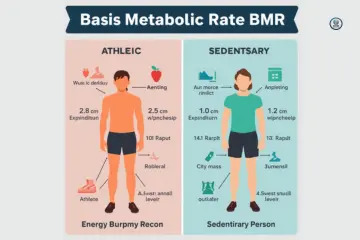
Skinny fat—often called normal weight obesity in fitness circles—means you carry very little lean muscle mass alongside a higher percentage of body fat. Your arms and legs might look thin, while your midsection holds stubborn fat. Because standard equations only ask for your total weight, height, and age, they assume you carry an average amount of metabolically active muscle. When I ran my numbers through a bmr for skinny fat body type lens, I realized my actual resting burn was noticeably lower than what generic websites predicted.
| Comparison Point | Standard Calculator Assumption | Skinny Fat Reality |
| Scale Weight | Assumes average muscle-to-fat ratio | Masks low muscle behind normal weight |
| Resting Calorie Burn | Predicts standard baseline burn | Actually lower due to less lean mass |
| Calorie Deficit Response | Expects steady fat loss | Often burns precious muscle instead |
Why Standard Equations Overestimate Your Resting Burn
Most popular formulas rely on total body weight rather than lean body mass, creating a false calorie ceiling.
Equations like Mifflin-St Jeor work great for people with average body compositions. However, pound for pound, muscle tissue burns significantly more energy at rest than fat tissue does. If two people both weigh 165 pounds, the person with 25 percent body fat burns fewer calories lying in bed than the person with 14 percent body fat. Trusting an overestimated number made me eat at what I thought was a deficit, when I was actually eating right at maintenance.
Choosing the Right Formula for Low Muscle Mass
To stop guessing your daily energy needs, you have to switch to a formula that accounts for how much actual muscle you carry.
Why Katch-McArdle Beats Mifflin-St Jeor Here
The Katch-McArdle equation strips away body fat from the math and calculates your burn based strictly on lean body mass.
Once I stopped using weight-only calculators and switched to Katch-McArdle, my nutrition finally started making sense. This formula requires an estimate of your body fat percentage, which you can get roughly from body measurements or visual comparison charts. By multiplying your lean mass instead of your total scale weight, you get a much more honest picture of your resting energy expenditure.
| Formula Name | Required Inputs | Accuracy for Skinny Fat |
| Mifflin-St Jeor | Age, sex, height, total weight | Overestimates resting calorie burn |
| Harris-Benedict | Age, sex, height, total weight | Outdated and often too high |
| Katch-McArdle | Lean body mass only | Most accurate for low-muscle builds |
How to Estimate Your Lean Body Mass Without Expensive Scans
You do not need a pricey DEXA scan to get a practical, usable body fat estimate at home.
I wasted weeks obsessing over getting an exact clinical percentage before realizing a close ballpark is plenty. Use a simple flexible tape measure around your neck, waist, and hips using the U.S. Navy body fat method online. Subtract that estimated fat weight from your total scale weight, and you have your lean body mass. Even if your estimate is off by two percent, it will still beat a generic weight-only calculator every time.
The Classic Mistakes That Keep You Stuck in Skinny Fat Limbo
Almost everyone with this body type falls into the exact same two traps when they try to fix their physique.
Why Aggressive Cutting Makes You Look Softer
Slashing calories to lose belly fat usually backfires by stripping away the little muscle you actually have.
When I first saw my stomach in the mirror, my knee-jerk reaction was to cut my calories down to 1,400 a day and run four miles every morning. Sure, the scale went down ten pounds, but I ended up looking like a smaller, softer version of myself. Without heavy resistance training and adequate fuel, a steep deficit eats into muscle tissue, pushing your resting metabolic rate even lower and making stubborn fat look worse.
Why Dirty Bulking Only Adds More Belly Fat
Eating everything in sight to “build muscle fast” simply packs extra fat onto a frame that lacks muscle sensitivity.
After failing with extreme dieting, I swung to the opposite extreme and started eating 3,200 calories a day to bulk up. Because my body had poor insulin sensitivity and low muscle mass, most of those surplus calories went straight to my waistline. People with a skinny fat build do not partition excess calories well at first; you have to earn a surplus by building a foundation of strength first.
| Mistake Made | Better Approach |
| Slashing calories below BMR | Eat near maintenance calories with high protein |
| Doing endless hours of steady cardio | Prioritize progressive weight lifting 3-4x weekly |
| Jumping straight into a heavy bulk | Focus on slow body recomposition first |
| Ignoring sleep and daily recovery | Aim for 7 to 8 hours of quality sleep nightly |
How to Use Your BMR for Skinny Fat Body Type Recomposition
Body recomposition—building muscle while slowly losing fat at the same time—is the sweet spot for transforming this physique.
Setting Calories Near Maintenance Instead of Extreme Deficits
Eating right around your true total daily energy expenditure gives your body enough fuel to build muscle while tapping into fat stores.
Multiply your Katch-McArdle BMR by a realistic activity multiplier—usually 1.3 to 1.45 if you lift weights a few times a week and walk regularly. Instead of slashing 600 calories off that number, stay within 100 to 200 calories of maintenance. Because your body has stored energy in fat cells and new stimulus from lifting weights, it can simultaneously build new muscle fibers and lean out over several months.
Why Protein Intake Changes Your Metabolic Math
Eating enough protein protects your lean mass and gives your daily calorie burn a welcome boost through digestion.
Protein has the highest thermic effect of all macronutrients, meaning your body burns roughly 20 to 30 percent of protein calories just breaking them down. When I bumped my intake up to about 0.8 to 1 gram of protein per pound of target body weight, my hunger dropped and my recovery skyrocketed. High protein signals your body to hold onto muscle while forcing it to burn stored fat for energy.
| Goal Phase | Calorie Strategy | Training Focus |
| First 3 to 6 Months | Maintenance or 150-calorie deficit | Compound lifts with progressive overload |
| Stubborn Fat Plateau | Gentle 250-calorie deficit | Keep lifting heavy, add 2,000 daily steps |
| Lean Muscle Building | Modest 200-calorie surplus | Focus on strength gains across major lifts |
Daily Training and Lifestyle Habits That Raised My Resting Burn
You cannot out-calculate a weak training routine; real metabolic change happens when you give your muscles a reason to grow.
Prioritizing Heavy Compound Lifts Over Endless Cardio
Lifting weights builds the exact metabolically active tissue your body is missing, permanently raising your baseline burn.
I traded my daily treadmill sessions for three full-body strength workouts a week built around squats, rows, presses, and deadlifts. Unlike cardio, which only burns calories while you are actively sweating, resistance training forces your muscles to repair and grow for up to 48 hours afterward. Over six months, adding just a few pounds of solid muscle noticeably improved how my body handled carbohydrates and calories.
Fixing Daily Steps and Sleep to Support Recovery
Chronic stress and poor sleep flood your body with cortisol, which encourages belly fat storage and stalls muscle growth.
When I started tracking my habits honestly, I realized I was sleeping five hours a night and sitting at a desk all day outside the gym. High cortisol makes your body stubbornly cling to abdominal fat while breaking down muscle tissue. Getting at least seven hours of sleep and hitting 7,500 daily steps smoothed out my energy levels and broke a months-long plateau without cutting a single calorie.
| Common Recomp Issue | Troubleshooting Step |
| Scale weight is not moving after 4 weeks | Check waist measurements and strength progress first |
| Feeling flat and weak during workouts | Shift more daily carbs around your training window |
| Belly fat refusing to budge | Lower stress, improve sleep, and verify protein intake |
| Gaining weight too quickly on a surplus | Trim daily intake by 150 calories and hold steady |
Myths About Skinny Fat Metabolism I Stopped Believing
Clearing out bad fitness advice saved me from wasting years chasing shortcuts that never work for low-muscle builds.
Can You Spot-Reduce Belly Fat While Keeping Thin Arms?
No amount of crunches, planks, or ab circuits will melt fat specifically off your midsection.
Fat loss happens system-wide based on genetics and overall energy balance, not the specific muscles you exercise. For most skinny fat folks, the stomach is the first place fat shows up and the very last place it leaves. Trying to target belly fat with endless ab workouts only wastes recovery energy that should go toward heavy compound lifts that reshape your entire frame.
Why Starving Yourself Never Fixes a Slow Metabolism
Extreme calorie restriction teaches your body to hoard energy, making your metabolism even more sluggish over time.
If you keep dropping your food intake lower and lower, your body responds by lowering your thyroid output, reducing unconscious movement, and making you feel exhausted. You cannot starve your way into a strong, athletic physique. Feeding your body well while challenging your muscles in the gym is the only reliable way out of the skinny fat trap.
| Common Skinny Fat Myth | Biological Reality |
| You must lose all belly fat before lifting weights | Lifting weights early is required to fix body composition |
| Cardio is the fastest way to lean out | Excessive cardio without lifting worsens muscle loss |
| Normal BMI means your metabolism is optimal | Low muscle mass can still create a sluggish metabolic rate |
| Fast weight loss means successful fat loss | Rapid drops usually indicate water and muscle loss |
Understanding the real math behind bmr for skinny fat body type builds completely changed how I approached food and training. Once I stopped chasing quick scale drops with starvation diets and focused on lean body mass, heavy lifting, and high protein, my physique finally started changing for good.
Be patient with the process because body recomposition moves slower on the scale than crash dieting, even while your mirror reflection improves every month. Calculate your numbers using lean mass, stay consistent in the weight room, and give your body the fuel it needs to build real strength.

Ehatasamul Alom is a dedicated health-tech enthusiast and the co-founder of BMRCalculator. With a passion for metabolic science, he focuses on providing accurate health data for the UK community. Ehatasamul ensures that every tool and guide aligns with NHS standards and public health research. His mission is to simplify complex biological data, helping British residents make informed decisions about their fitness, calorie needs, and long-term wellness. When not analyzing health trends, he explores the latest innovations in wearable fitness technology.