Sitting in a quiet cafe in Manchester a few years back, I felt totally stuck with my weight goals. I was using a web calculator and saw two distinct numbers on my screen. I did not know if I should pick my resting score or select the sedentary level. That single choice changed my entire daily menu and my results. Learning the real difference between bmr vs little to no exercise helps you plan your meals with total ease.
Understanding the Basics of BMR and Activity Levels
Before comparing the numbers, it’s important to understand what each one actually represents. Most confusion starts because both figures appear together in calorie calculators.
What Is Basal Metabolic Rate (BMR)?
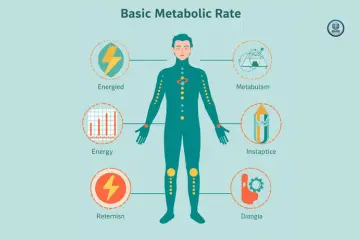
BMR is the minimum number of calories your body requires to keep you alive while completely at rest. It covers essential functions that never stop.
Processes Included in BMR
- Breathing air smoothly into your lungs
- Heart function and pumping blood
- Blood circulation through all major veins
- Cell repair while you sleep or rest
- Brain activity for basic thought and organ control
- Hormone regulation to keep systems stable
- Body temperature maintenance in cold or warm rooms
What Does “Little to No Exercise” Mean?
This activity level is commonly selected by people who spend most of the day sitting and perform very little structured exercise.
Typical Characteristics
- Desk-based work for six to eight hours daily
- Driving frequently to run daily errands
- Limited walking throughout the normal week
- No regular gym sessions or sports games
- Minimal physical labour at your main job
Why This Comparison Matters
Choosing the wrong number can lead to eating too much or too little, making weight management more difficult than it needs to be.
BMR vs Little to No Exercise: The Key Differences
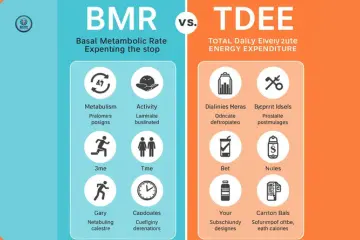
Although these numbers are connected, they are not interchangeable. One measures survival energy. The other estimates real-life calorie needs.
Side-by-Side Comparison Table
As someone reviewing calorie calculators regularly, this table is often the quickest way to explain the distinction. Use this summary to see how these two metrics stack up.
| Factor | BMR | Little to No Exercise |
| Represents | Resting calorie needs | Daily calorie needs |
| Includes Activity | No | Yes |
| Includes Walking | No | Yes |
| Used For | Metabolic baseline | Weight maintenance |
| Calorie Amount | Lower | Higher |
| Practical Daily Use | Limited | High |
Why the Numbers Are Different
Even people who never exercise still burn calories through everyday activities.
Walking Around the House
Making tea or moving between rooms burns extra energy over time.
Standing and Moving
Standing up to stretch or chat uses more fuel than lying flat in bed.
Shopping Trips
Walking through local shops adds hundreds of extra steps to your day.
Cooking Meals
Prepping food and washing up keeps your body moving and burning fuel.
Household Chores
Vacuuming floors or dusting shelves burns energy without formal workouts.
Common Misunderstandings
Many people assume “no exercise” means the same as resting all day. In reality, even sedentary lifestyles involve energy expenditure.
How Calorie Calculators Use BMR and Sedentary Activity Levels
Most modern calculators first estimate your BMR and then apply an activity multiplier.
Step 1: Calculate BMR
Your age, weight, height, and sex are used to estimate resting calorie expenditure.
Step 2: Apply an Activity Multiplier
This adjustment accounts for daily movement beyond complete rest.
Why Sedentary Calories Are Usually Higher
Even an office worker in Birmingham or Manchester burns calories through ordinary daily movement.
How Much Higher Is Little to No Exercise Than BMR?
The difference often surprises people. It can be several hundred calories per day.
Example Calorie Comparison Table
The figures below demonstrate how activity multipliers affect total calorie estimates. Here is a clear look at how daily movement raises your energy requirements.
| Person | BMR | Little to No Exercise Calories |
| Adult Female | 1,400 Calories | 1,680 Calories |
| Adult Male | 1,700 Calories | 2,040 Calories |
| Active Retiree | 1,300 Calories | 1,560 Calories |
Why Small Activities Add Up
A few minutes here and there may not feel like exercise, but they contribute significantly over a full day.
The Hidden Impact of NEAT
Non-Exercise Activity Thermogenesis (NEAT) is one of the biggest reasons daily calorie needs exceed BMR.
Fidgeting
Small hand or leg taps burn minor energy that adds up over hours.
Walking to Meetings
Short strolls across an office building add extra steps to your daily log.
Household Tasks
Carrying laundry or wiping down counters keeps your metabolic engine running.
Standing While Working
Using a standing desk burns slightly more fuel than sitting in a chair.
Which Number Should You Use for Weight Loss?
This is the question most people are actually asking when searching for BMR versus little exercise.
Why Using BMR Alone Can Be Risky
Eating only your BMR calories may leave you feeling hungry, tired, and less likely to stay consistent.
Why Sedentary Calories Are Usually Better
For most adults, sedentary calorie estimates provide a more realistic starting point.
Weight Loss Deficit Table
Nutrition professionals generally create calorie deficits from maintenance calories, not from BMR. Use this simple guide to plan safe calorie adjustments.
| Goal | Recommended Approach |
| Maintain Weight | Eat Near Sedentary Calories |
| Gradual Fat Loss | Small Deficit |
| Moderate Fat Loss | Moderate Deficit |
| Aggressive Fat Loss | Larger Deficit with Monitoring |
Signs Your Calorie Target Is Too Low
The body often provides clear feedback when energy intake becomes insufficient.
Constant Hunger
Feeling deep stomach rumbles all day shows your intake is too low.
Low Energy
Feeling sluggish during simple tasks points to a sharp energy gap.
Poor Sleep
Waking up often during the night can stem from under-eating.
Difficulty Concentrating
Brain fog at work signals your mind needs more fuel to function.
Which Number Should You Use for Weight Maintenance?
Maintaining weight requires matching calorie intake to actual daily expenditure.
Why BMR Is Usually Too Low for Maintenance
Even the least active person performs activities that require energy.
When Sedentary Calories Work Best
Many adults with desk jobs find this estimate provides a useful starting point.
Adjusting Based on Real Results
Tracking body weight over several weeks reveals whether estimates need adjustment.
Real-Life Examples from Everyday UK Lifestyles
Real-world scenarios make calorie calculations easier to understand than equations alone.
Office Worker in London
Most of the day is spent sitting, but commuting and daily errands still increase calorie needs above BMR.
University Student in Leeds
Long study sessions may suggest inactivity, yet walking around campus adds meaningful movement.
Remote Worker in Bristol
Working from home often reduces activity levels, but daily routines still matter.
Retired Adult in Cornwall
Gardening, shopping, and light household tasks contribute more calories than expected.
Lessons From These Examples
The comparison highlights why BMR should rarely be treated as a daily calorie target.
Common Mistakes People Make When Choosing Activity Levels
Selecting the wrong activity category is one of the biggest sources of calorie-calculation errors.
Choosing BMR as Daily Calories
This is one of the most common mistakes among beginners. Eating at your resting line ignores all daily movement.
Overestimating Exercise Levels
A weekly workout does not necessarily mean someone is moderately active.
Ignoring Lifestyle Changes
Changes in work, commuting, or health can alter calorie requirements.
Trusting Calculator Results Blindly
Every calculator provides an estimate, not an exact answer.
Best Online Tools for Comparing BMR and Sedentary Calories
Modern calculators make it easy to compare calorie figures and understand how activity levels affect results.
Features to Look For
The best tools provide more than just a single calorie number.
BMR Calculation
Clear resting metabolic scores provide a safe floor for your nutrition plan.
Activity Multipliers
Realistic settings help you account for desk jobs and casual movement easily.
Weight Goal Settings
Simple options adjust your daily targets for weight loss or maintenance.
Metric Unit Support
Easy entry for stone, pounds, kilograms, and centimeters avoids calculation mistakes.
Mobile-Friendly Interface
Clean web designs let you check numbers quickly on your phone or tablet.
Calculator Tool Comparison Table
This comparison highlights the strengths of different calorie-estimation tools. Find the right option for your daily health routine below.
| Tool Type | Best For | Ease of Use |
| BMR Calculator | Metabolism Insights | Easy |
| Calorie Calculator | Daily Planning | Easy |
| TDEE Calculator | Fitness Goals | Moderate |
| Nutrition Apps | Ongoing Tracking | Moderate |
Expert Advice on BMR and Sedentary Calorie Needs
Leading nutrition experts consistently emphasise that calorie estimates should be treated as starting points.
Insight from Dr Alan Aragon
Dr Alan Aragon, internationally recognised for evidence-based nutrition research, frequently highlights the importance of real-world adjustments.
“Calorie equations are useful estimates, but your results and progress provide the most valuable feedback.”
What Registered Dietitians Commonly Recommend
Most professionals advise starting with maintenance calories and adjusting gradually based on outcomes.
Frequently Asked Questions About BMR vs Little to No Exercise
Is BMR the Same as Sedentary Calories?
No, BMR is your resting rate, while sedentary calories include daily walking, work, and chores.
Should I Eat My BMR Calories?
You should aim above your BMR score to ensure your body gets enough energy for daily life.
How Much Higher Are Sedentary Calories Than BMR?
Sedentary calories are typically about twenty percent higher than your resting BMR score.
What If I Exercise Once Per Week?
Select the sedentary option and treat that extra workout session as a bonus energy burn.
Why Does My Calculator Show Multiple Numbers?
Calculators show BMR as a safety floor and sedentary figures as your true daily target.
Can My BMR Change Over Time?
Yes, losing weight lowers your BMR slightly, while building lean muscle tissue raises it.
Which Number Should I Use for Weight Loss?
Use your sedentary calorie score as the starting line and subtract a small chunk for safe fat loss.
Are Online Calculators Accurate?
Online tools offer solid estimates, but real-world weight trends give you the most accurate answers.
BMR vs Little to No Exercise: Understanding Which Number Matters
BMR tells you how many calories your body needs to survive at complete rest. Little to no exercise calories estimate what you actually need to get through a normal day. For most people planning meals, managing weight, or using nutrition tools, the sedentary calorie estimate is usually the more practical and useful figure.
Final Recommendation
Reflecting on my own experience in Manchester, I know how easily calorie tools can confuse anyone starting out. My best advice is simple: treat your resting score as a safety limit, but use the sedentary figure to plan your food intake. Eating too little food will only drain your energy and stall your progress. Balancing your understanding of bmr vs little to no exercise gives you the clearest path to steady weight loss and vibrant daily health.

Ehatasamul Alom is a dedicated health-tech enthusiast and the co-founder of BMRCalculator. With a passion for metabolic science, he focuses on providing accurate health data for the UK community. Ehatasamul ensures that every tool and guide aligns with NHS standards and public health research. His mission is to simplify complex biological data, helping British residents make informed decisions about their fitness, calorie needs, and long-term wellness. When not analyzing health trends, he explores the latest innovations in wearable fitness technology.