Learning how to increase basal metabolic rate transformed my own health journey right here in Leeds, where chilly morning walks along the canal used to feel like hard work. I used to think metabolism was a fixed genetic fate or something only an intense gym session could change. Over time, I learned that small, smart lifestyle tweaks from lifting heavy weights to eating more protein can meaningfully nudge resting calorie expenditure upward while protecting long-term health.
What Is Basal Metabolic Rate (BMR)?
Before trying to change BMR, understanding what it actually measures is essential. Many people confuse BMR with daily calorie burn, but they represent distinct components of human energy expenditure.
Definition of Basal Metabolic Rate
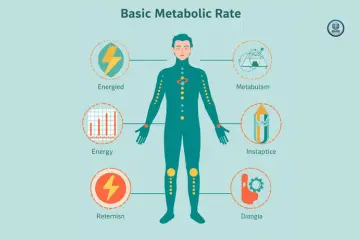
Basal Metabolic Rate (BMR) refers to the minimum number of calories your body burns at complete rest to maintain essential life functions. It reflects the baseline energy cost of staying alive in a thermo-neutral environment after an overnight fast.
Breathing
Respiratory muscles like the diaphragm contract continuously, consuming steady energy even during deep sleep.
Blood Circulation
The heart pumps thousands of litres of blood daily to deliver oxygen and nutrients throughout tissues.
Brain Function
The brain uses roughly 20% of resting energy despite making up only about 2% of total body weight.
Cell Repair
Protein synthesis, cellular turnover, and membrane transport require ongoing ATP production.
Hormone Production
Endocrine glands continuously synthesize and secrete signaling molecules to maintain homeostasis.
Temperature Regulation
Maintaining a stable internal body temperature near 37°C demands significant baseline energy.
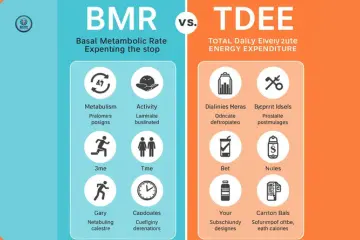
BMR vs Metabolism vs TDEE
These terms are often used interchangeably, creating confusion when setting energy targets:
- Metabolism: The sum of all chemical reactions occurring within the body.
- BMR: The baseline energy expended strictly at rest for basic survival.
- TDEE (Total Daily Energy Expenditure): Total calories burned in 24 hours, combining BMR, physical activity, non-exercise movement, and food digestion.
Why BMR Matters for Weight Management
BMR accounts for 60% to 75% of total daily calorie expenditure in most sedentary adults. Because it represents the vast majority of energy burned each day, even modest variations in BMR influence long-term energy balance and body composition.
Can You Really Increase Your Basal Metabolic Rate?
The internet contains endless claims about “supercharging” metabolism. Some strategies are backed by solid evidence, while others are pure marketing fiction.
What Science Says About Increasing BMR
Research demonstrates that BMR can be modified, though dramatic overnight changes are unrealistic. BMR is largely governed by lean body mass, organ mass, and physiological status. While you cannot double your resting metabolism, you can optimize it through targeted habits.
Factors You Can Control
Lifestyle choices directly influence several key metabolic drivers:
Muscle Mass
Skeletal muscle is metabolically active tissue; increasing muscle mass elevates resting energy demands.
Physical Activity
Regular exercise stimulates cellular adaptation, mitochondrial density, and transient post-exercise oxygen consumption.
Nutrition
Macronutrient selection and calorie adequacy prevent adaptive metabolic slowing and support tissue repair.
Sleep Quality
Restful sleep optimizes anabolic hormone balance and thyroid hormone regulation.
Factors You Cannot Fully Control
Certain variables remain largely fixed or governed by biology:
Age
BMR stays remarkably stable through midlife, though natural shifts occur in older age as muscle mass declines.
Genetics
Inherited traits influence baseline muscle tissue proportion, thyroid axis setting, and cellular efficiency.
Biological Sex
Males generally possess higher average BMRs than females of equal weight due to greater muscle mass and lower essential body fat.
Medical Conditions
Thyroid disorders, polycystic ovary syndrome (PCOS), or clinical conditions can directly alter baseline metabolic rates.
Build More Muscle to Increase BMR
Increasing lean muscle mass remains the most reliable, evidence-backed strategy to raise baseline energy expenditure.
Why Muscle Burns More Calories Than Fat
At rest, skeletal muscle tissue burns approximately 13 kcal per kilogram per day, compared to roughly 4.5 kcal per kilogram for adipose (fat) tissue. While muscle is not a runaway furnace, adding lean mass permanently raises baseline calorie needs.
Strength Training and Metabolic Health
Resistance training forces adaptive tissue remodeling, stimulating muscle protein synthesis and preserving active tissue during weight loss.
Free Weights
Barbells and dumbbells engage stabilizing muscles, maximizing muscle recruitment per rep.
Resistance Bands
Bands provide continuous tension throughout a movement’s full range of motion.
Bodyweight Exercises
Push-ups, dips, and pull-ups build functional strength without requiring gym equipment.
Gym Machines
Fixed-path machines offer safe isolation of targeted muscle groups for beginners.
Best Strength Exercises for Beginners
Compound exercises recruit multiple joints and large muscle groups, yielding the highest metabolic return.
Squats
Target the quadriceps, glutes, and core muscles simultaneously.
Deadlifts
Strengthen the entire posterior chain, including hamstrings, glutes, and lower back.
Press-Ups
Develop upper-body strength across the chest, shoulders, and triceps.
Rows
Build upper-back density and improve posture to support heavy lifting.
Muscle Gain and BMR Table
Building lean muscle directly alters resting energy demands over time.
| Factor | Effect on BMR | Practical Impact |
| Increased Muscle Mass | Positive | Raises baseline resting calorie burn permanently |
| Reduced Muscle Mass | Negative | Drops BMR, often seen during aggressive dieting |
| Consistent Resistance Training | Positive | Preserves lean mass and stimulates tissue repair |
| Sedentary Lifestyle | Negative | Leads to gradual age-related muscle loss (sarcopenia) |
Increase Daily Movement Beyond Structured Exercise
Many people focus exclusively on intense gym workouts while overlooking movement across the remaining 23 hours of the day.
Understanding NEAT (Non-Exercise Activity Thermogenesis)
NEAT encompasses all energy expended for movement that is not sleeping, eating, or sports-like exercise. It accounts for vast differences in daily calorie expenditure between individuals.
Walking
Pacing during phone calls or taking short strolls adds up significantly over a week.
Standing
Using a standing desk increases postural muscle activation compared to sitting.
Household Chores
Vacuuming, dusting, and cooking keep the body moving without formal workout stress.
Gardening
Digging, weeding, and carrying tools engage large muscle groups functionally.
Taking the Stairs
Bypassing lifts builds leg endurance and burns quick bursts of energy throughout the day.
Small Habits That Add Up
Unplanned daily movement creates a substantial energy demand. Taking a brisk walk to the local shops instead of driving quietly burns calories without causing systemic fatigue or increasing ravenous hunger.
Practical Ways to Move More
- Park farther away from entrance doors.
- Pace the room while taking phone calls.
- Set a timer to stand up and stretch every 45 minutes.
- Take stairs two at a time when safe to do so.
Eat Enough Protein to Support Metabolism
Protein provides essential building blocks for muscle repair and requires significant energy just to be digested.
The Thermic Effect of Food Explained
The Thermic Effect of Food (TEF) represents the energy cost of digesting, absorbing, and processing nutrients. TEF accounts for roughly 10% of total daily energy expenditure.
Why Protein Has a Higher Thermic Effect
Protein has a far higher thermic effect than other macronutrients:
- Protein: 20% to 30% of consumed energy is burned during digestion.
- Carbohydrates: 5% to 10% burned during digestion.
- Fats: 0% to 3% burned during digestion.
Eating 100 calories of protein means your body uses 20 to 30 of those calories simply to process the meal.
High-Protein Foods Commonly Available in the UK
Incorporate these accessible staples into daily meals:
Eggs
Rich in complete protein, choline, and healthy fats.
Chicken Breast
Lean, versatile protein source with minimal dietary fat.
Fish
Cod, salmon, and canned tuna provide high-quality amino acids.
Greek Yoghurt
Strain-concentrated dairy offering high protein and gut-friendly probiotics.
Lentils
Plant-based staple providing fiber along with complex carbohydrates and protein.
Cottage Cheese
Slow-digesting casein protein ideal for evening snacks or light meals.
Protein Sources Comparison Table
Combining diverse protein sources ensures optimal amino acid availability for tissue synthesis.
| Food | Protein Content | Convenience |
| Eggs | High (~6g per egg) | High |
| Chicken Breast | High (~31g per 100g) | Medium |
| Salmon | High (~25g per 100g) | Medium |
| Greek Yoghurt | Moderate (~10g per 100g) | High |
| Lentils | Moderate (~9g per 100g cooked) | High |
Avoid Crash Diets and Extreme Calorie Restriction
Aggressive dieting frequently backfires by causing metabolic slowing and muscle loss.
How Severe Dieting Affects BMR
When calorie intake drops precipitously below essential requirements, the body downregulates energy expenditure across multiple physiological systems to conserve fuel.
Metabolic Adaptation Explained
Metabolic adaptation (adaptive thermogenesis) is an evolutionary survival mechanism. During prolonged starvation or severe restriction, body temperature drops, spontaneous movement declines, and thyroid hormone conversion decreases, leading to a lower BMR than predicted by body weight alone.
Warning Signs of Excessive Restriction
Constant Hunger
Elevated ghrelin levels signal persistent energy deficit.
Fatigue
Lethargy sets in as the body reduces spontaneous NEAT movement.
Poor Recovery
Persistent muscle soreness signals insufficient amino acid and energy availability.
Reduced Exercise Performance
Strength drops and workouts feel unusually difficult.
Sustainable Fat Loss vs Crash Dieting Table
Modest calorie deficits protect metabolic rate while promoting sustainable fat loss.
| Approach | Short-Term Results | Long-Term Sustainability |
| Crash Diet | Fast weight loss | Low (high rate of weight regain) |
| Moderate Deficit | Steady fat loss | High (preserves muscle and BMR) |
| Extreme Restriction | Fast scale drop | Very Low (triggers severe adaptive thermogenesis) |
| Balanced Plan | Moderate, consistent | High (supports healthy metabolic function) |
Improve Sleep to Support Metabolic Function
Sleep deprivation acts as a silent metabolic stressor, altering hormonal signaling and daily energy output.
How Sleep Influences Metabolism
Inadequate sleep impairs glucose tolerance, increases systemic inflammation, and reduces insulin sensitivity in peripheral tissues.
Hormones Affected by Sleep
Leptin
Suppressed by sleep loss, reducing satiety signals to the brain.
Ghrelin
Elevated by poor sleep, directly increasing appetite and cravings for energy-dense foods.
Cortisol
Elevated evening cortisol promotes muscle breakdown and alters glucose handling.
Growth Hormone
Pulse release occurs during deep sleep, supporting nighttime tissue repair and fat metabolism.
Practical Sleep Habits
- Maintain a consistent bedtime and wake time daily.
- Keep the bedroom cool, dark, and quiet.
- Limit bright screens 60 minutes before sleeping.
- Avoid heavy meals and caffeine late in the evening.
Manage Stress Levels for Better Metabolic Health
Chronic psychological stress exerts real physiological effects on recovery, body composition, and energy expenditure.
The Connection Between Cortisol and Metabolism
Sustained stress keeps cortisol elevated, which can encourage visceral fat storage, impair muscle recovery, and promote muscle protein breakdown over time.
Everyday Stress Management Techniques
Walking Outdoors
Gentle movement in green spaces lowers circulating stress markers.
Meditation
Mindfulness practice reduces sympathetic nervous system overactivity.
Deep Breathing
Diaphragmatic breathing triggers parasympathetic relaxation responses.
Social Connection
Spending quality time with friends and family reduces perceived stress burden.
Why Recovery Matters
Adequate rest allows muscle tissue to repair fully following strength training sessions, ensuring lean mass gains that drive resting metabolism upward.
Stay Active as You Age
Metabolic decline with age is largely driven by lifestyle changes rather than an inevitable biological collapse.
Why BMR Often Declines Over Time
The landmark 2021 study led by Dr. Herman Pontzer revealed that baseline human metabolism remains remarkably stable between ages 20 and 60. Observed middle-age metabolic slowing is primarily caused by progressive loss of muscle mass (sarcopenia) and declining daily movement, rather than cellular aging alone.
Protecting Muscle Through the Decades
Maintaining resistance training and high protein intake as you age preserves functional muscle tissue, holding resting energy expenditure steady through midlife.
Metabolism by Life Stage Table
Priorities evolve across life stages to maintain metabolic health.
| Life Stage | Key Challenge | Priority Action |
| 20s–30s | Building sustainable habits | Focus on progressive strength training and fitness |
| 40s–50s | Preserving lean mass | Prioritize muscle preservation and stress management |
| 60+ | Preventing sarcopenia | Maintain mobility, strength work, and protein intake |
Common Myths About Increasing Metabolism
Metabolism myths lead many people to spend money on ineffective solutions.
Myth: Certain Foods Dramatically Boost BMR
Green tea, chili peppers, and spices produce tiny, temporary spikes in thermogenesis that do not meaningfully alter long-term body composition.
Myth: Eating Every Two Hours Speeds Up Metabolism
Total daily nutrient intake determines TEF and metabolic outcomes, not meal frequency. Digesting 2,000 calories across six small meals burns the same TEF as eating 2,000 calories across three meals.
Myth: Supplements Can Transform Metabolism
Over-the-counter “fat burners” rely mostly on high caffeine doses. They offer negligible long-term BMR increases and can cause elevated heart rate and anxiety.
Myth: Thin People Always Have Faster Metabolisms
Larger bodies actually require more absolute calories at rest to maintain a larger volume of tissue and organ function.
Best Tools to Track and Improve BMR
Monitoring tools can help you estimate energy requirements and track tissue changes over time.
BMR Calculators
Mathematical formulas (such as Harris-Benedict or Katch-McArdle) estimate resting energy needs based on height, weight, age, and biological sex.
TDEE Calculators
Multiply estimated BMR by an activity factor to give a starting baseline for daily calorie needs.
Body Composition Tools
Bioelectrical impedance scales or DEXA scans track lean mass changes, offering better feedback than standard bathroom scales.
Tool Comparison Table
| Tool | Purpose | Best For |
| BMR Calculator | Estimates resting energy expenditure | Finding starting calorie baselines |
| TDEE Calculator | Estimates total daily energy needs | Planning fat loss or muscle gain diets |
| Body Fat Calculator | Tracks body composition shifts | Monitoring lean muscle retention |
| Fitness Apps | Logs food intake and activity trends | Daily habit consistency |
Real-Life Examples of Increasing BMR
Practical context shows how these principles apply across varied daily routines.
Office Worker in London
Commutes via train, walks 10,000 steps daily, and attends structured resistance training twice per week to maintain muscle while working a desk job.
Parent in Birmingham
Uses short 20-minute kettlebell home workouts during nap times and prepares protein-focused meals to support recovery amidst a busy domestic schedule.
Retiree in Cornwall
Combines regular gardening and active coastal walking with bodyweight exercises to prevent sarcopenia and preserve joint mobility.
University Student in Leeds
Prioritizes 8 hours of sleep, cooks batch-prepared high-protein meals, and walks to lectures instead of taking the bus.
Expert Insight: What Metabolism Researchers Recommend
Leading scientists emphasize evidence-backed habits over quick fixes.
Perspective from Dr. Herman Pontzer
Dr. Herman Pontzer, associate professor at Duke University and author of Burn, notes that total energy expenditure is tightly regulated by evolution. His research shows that baseline metabolic rates remain steady across midlife and that tissue composition specifically lean muscle mass is the principal variable governing resting energy burn.
What Sports Dietitians Commonly Recommend
Sports dietitians consistently emphasize four pillars:
- Preserve and build lean mass via progressive resistance exercise.
- Eat adequate protein to support tissue repair and maximize TEF.
- Avoid extreme calorie deficits that trigger adaptive thermogenesis.
- Prioritize sleep and recovery to optimize endocrine balance.
Frequently Asked Questions About Increasing Basal Metabolic Rate
Can You Permanently Increase BMR?
Yes, permanently adding lean muscle tissue increases your body’s baseline resting energy requirements.
Does Muscle Really Boost Metabolism?
Yes. Skeletal muscle is metabolically active, burning more calories at rest per kilogram than fat tissue.
Which Foods Increase BMR?
Protein-dense foods increase energy expenditure most through the Thermic Effect of Food (TEF).
How Long Does It Take to Raise BMR?
Building noticeable muscle mass typically takes 8 to 12 weeks of consistent strength training and adequate nutrition.
Does Age Reduce Metabolism?
Metabolism remains stable between ages 20 and 60. Reductions are primarily caused by muscle loss and decreased physical activity.
Are Metabolism Supplements Effective?
Most supplements offer minimal benefits and cannot replace exercise, sleep, and proper nutrition.
Can Walking Increase BMR?
Walking increases NEAT and daily calorie burn, though strength training is required to build the muscle that raises BMR itself.
What Is the Fastest Way to Improve Metabolism?
Combine progressive resistance training with a high-protein diet, adequate sleep, and a moderate calorie intake.
Creating a Higher BMR Through Sustainable Habits
Increasing basal metabolic rate is less about finding a secret metabolism hack and more about building habits that support muscle mass, movement, nutrition, sleep, and recovery. While no strategy creates overnight transformations, consistent actions can improve metabolic health and support long-term weight management goals.
Final Recommendation
Building my own metabolic health right here in Leeds taught me that patience beats quick fixes every time. Focus on lifting weights consistently, eating enough protein, and getting quality sleep each night. Avoid crash diets that leave you drained and slow your progress down. When you support your body with sustainable habits, a healthier, stronger metabolism naturally follows.

Ehatasamul Alom is a dedicated health-tech enthusiast and the co-founder of BMRCalculator. With a passion for metabolic science, he focuses on providing accurate health data for the UK community. Ehatasamul ensures that every tool and guide aligns with NHS standards and public health research. His mission is to simplify complex biological data, helping British residents make informed decisions about their fitness, calorie needs, and long-term wellness. When not analyzing health trends, he explores the latest innovations in wearable fitness technology.