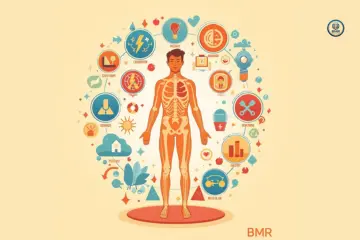

Picture a cold Tuesday morning in Sheffield, kettle bubbling away, someone squinting at their BMR calculator wondering if their breakfast will “speed up” their metabolism. Nutrition and metabolism are genuinely linked, though not in the neat, dramatic way social media often suggests. Food supplies the energy and nutrients your body needs, while your metabolism is the ongoing process that puts all of that to work, from breathing to walking to digesting your lunch. This guide explains how nutrition, BMR, TDEE and energy balance actually connect, and what that means for weight management. The key idea to hold onto throughout is simple: food does not “turn up” or “turn down” your metabolism on its own. Your overall diet, body composition, activity, health and total energy intake all interact together.
What Is the Link Between Nutrition and Metabolism?
Metabolism covers the chemical processes that keep your body functioning around the clock. Nutrition supplies the raw materials and fuel those processes rely on. Understanding how these two fit together is the first step toward making sense of your own BMR calculator results.
What is metabolism?
Your body converts the food you eat into usable energy through a long chain of chemical reactions. Nutrients support your cells and tissues, energy gets stored or used depending on demand, and none of this ever really switches off. Metabolism is happening whether you are asleep, working, or halfway through a run, a point our BMR for beginners guide explains well for anyone new to the topic.
What is BMR?
Basal metabolic rate is an estimate of the energy your body needs to support essential functions while completely at rest, including breathing, heart function, brain activity, maintaining body temperature and basic cellular activity. If the term is new to you, our BMR explained guide covers the fundamentals clearly.
What is TDEE?
Total daily energy expenditure builds on BMR by adding physical activity, exercise, non-exercise activity thermogenesis (NEAT) and the thermic effect of food. Our TDEE calculator pulls all of these pieces together once you know your BMR.
Why BMR is only one piece of the puzzle
BMR tells you about resting energy needs. Nutrition affects your energy intake and nutrient supply. TDEE reflects the wider daily picture, and keeping these three ideas separate in your head will make the rest of this guide far easier to follow. Our BMR vs TDEE comparison explains the distinction in more depth if you want a deeper dive.
How Does Food Affect Your Metabolism?
Food does more than simply provide calories. Your body has to digest, absorb and process everything you eat, and some nutrients demand more energy to handle than others, which is one reason nutrition plays a genuine role in total energy expenditure.
The thermic effect of food
Diet-induced thermogenesis, often shortened to DIT, describes the energy your body spends on digestion, absorption and processing nutrients after a meal. This energy use continues for hours after eating, quietly adding to your daily total.
Why protein has a higher thermic effect
Protein generally requires more energy to digest and process than carbohydrate or fat. This is a genuine, measurable effect, though it is worth being clear that this does not make protein a magical fat-burning food on its own.
Carbohydrates and metabolism
Carbohydrates remain the main energy source for many everyday activities and most forms of exercise. They get stored as glycogen in your muscles and liver, ready for use, and there is nothing inherently “bad for metabolism” about including them in your diet.
Dietary fat and metabolism
Fat carries a high energy density and supplies essential fatty acids your body cannot make on its own. It plays a role in hormone production, supports cell function, and helps you absorb fat-soluble vitamins from your food.
Nutrition is more than calorie counting
A food’s real value depends on more than its calorie count alone. Protein, fibre, vitamins, minerals, essential fats, satiety and your overall dietary pattern all matter just as much as the number on the label. Our protein calculator can help you work out a sensible daily target based on your own goals.
Nutrition and BMR: Does What You Eat Change Your Basal Metabolic Rate?
Many readers land here wanting a clear answer, so let’s give one. Nutrition can genuinely influence metabolism and body composition over time, but a single meal or “superfood” will not dramatically rewrite your BMR overnight.
Can eating more increase BMR?
There is a real difference between a temporary bump in energy expenditure after a big meal and a genuine long-term change in body composition. Weight gain, particularly gains in muscle mass, can raise BMR over months, but one large dinner will not.
Can eating too little affect energy expenditure?
Sustained weight loss and reduced body mass are genuinely associated with lower energy expenditure, partly because there is simply less tissue to maintain. Adaptive responses and lower incidental activity due to fatigue can compound this further, which is worth knowing before starting any aggressive diet.
Does dieting “damage” your metabolism?
Metabolic adaptation is a real, well-documented phenomenon, but the more extreme online claims about permanently “breaking” your metabolism are misleading. Your body is dynamic and generally responsive to changes in behaviour, rather than fixed in a broken state. Our article on why BMR changes suddenly explains the genuine medical causes worth watching for.
The important BMR lesson
Do not confuse a short-term change in BMR with the temporary calorie burn that follows a meal. A meal raises energy expenditure briefly through the thermic effect of food, while your underlying BMR is shaped more by body size and composition over the longer term. Our notes on the limitations of BMR calculators and when not to rely on BMR alone both expand on this point.
Which Nutrients Matter Most for Metabolic Health?
Rather than chasing one “metabolism-boosting” ingredient, it helps to understand how a genuinely balanced diet supplies everything your body needs for normal function.
Protein and metabolic health
Protein supports muscle maintenance, satiety, thermic effect and recovery after exercise. UK-friendly sources include eggs, fish, chicken, Greek yoghurt, milk, beans, lentils and tofu, giving plenty of options whether you eat meat or not. A protein shaker like this one makes hitting your daily target a little more convenient on busy days.
Fibre and digestion
Wholegrains, pulses, fruit and vegetables all contribute fibre, which supports satiety and genuinely matters for gut health. A food scale like this one makes it easier to track how much of these you are actually eating day to day. Most UK adults do not get quite enough of it, so this is often an easy area to improve, and our list of low calorie British snacks has plenty of fibre-friendly ideas.
Healthy fats
Nuts, seeds, olive oil, oily fish and avocado all supply beneficial fats that support normal bodily function without needing to dominate your plate.
Carbohydrates
Potatoes, rice, pasta, bread, oats and other wholegrains remain a sensible, practical energy source for most people, particularly those with active lifestyles.
Vitamins and minerals
Iron, iodine, B vitamins, magnesium, calcium and vitamin D all play genuine roles in normal metabolic processes. This does not mean supplements will “boost” metabolism in someone who is already healthy and eating a varied diet, so treat flashy supplement marketing with a healthy dose of scepticism. For a clearer sense of how metabolism gets properly assessed, our guide on how doctors estimate metabolism is worth a read.
Nutrition and Metabolism: The Eatwell Guide Approach
Bringing this firmly into UK territory, the Eatwell Guide offers a sensible framework for balanced nutrition without falling into restrictive diet culture. It focuses on proportions across food groups rather than declaring any single food a metabolic miracle.
Fruit and vegetables
Aim for variety across fresh, frozen and canned options, since all three count toward your intake and supply valuable fibre and micronutrients. Seasonal UK produce like British berries in summer or root vegetables in winter is often cheaper too.
Starchy carbohydrates
Potatoes, bread, rice and pasta form a sensible base for most meals, with wholegrain versions offering extra fibre where you fancy the swap.
Protein foods
Beans, pulses, fish, eggs, meat and plant-based proteins all count here, giving genuine flexibility depending on your preferences and budget.
Dairy and alternatives
Milk, yoghurt, cheese and fortified plant alternatives all contribute calcium and protein to a balanced plate.
Oils and spreads
Unsaturated fats are the sensible choice, though portion awareness still matters given how energy dense oils and spreads can be.
The Eatwell Guide and BMR calculators
The Eatwell Guide helps with diet quality, while a BMR calculator estimates energy needs. They answer genuinely different questions, and understanding both gives you a fuller picture than either one alone.
Nutrition and Metabolism: What Should You Eat Based on Your BMR?
This is the practical bridge many readers are actually looking for. Once you have calculated your BMR, the natural next question is what to actually put on the plate. A BMR number alone does not prescribe a specific menu, but it can form part of a broader estimate of your genuine energy needs.
Step 1: Calculate your BMR
The common inputs are age, sex, height and weight, which you can run through our women’s BMR calculator or men’s BMR calculator depending on which suits you. If you would rather compare tools first, our guide to the most reliable BMR calculator is worth checking.
Step 2: Estimate your TDEE
Activity genuinely matters here, whether that means a desk job, regular walking, cycling, gym sessions, active employment or weekend hobbies. Our daily calorie intake calculator can help you settle on a realistic figure.
Step 3: Set your nutrition goal
Weight maintenance, weight loss, weight gain and performance all call for slightly different approaches, so it helps to be clear which one you are actually working toward before changing anything.
Step 4: Build meals around nutrition quality
Focus on protein, fibre, fruit and vegetables, wholegrain carbohydrates and healthy fats rather than obsessing over a single number. A reliable kitchen scale like this one makes portion sizes far easier to judge accurately.
BMR does not tell you what food to eat
BMR means estimated resting energy needs. Nutrition means the quality and composition of your food intake. TDEE means estimated total daily energy expenditure. Keeping these three definitions straight avoids most of the confusion people run into.
Nutrition and Metabolism for Weight Loss
Weight loss is one of the biggest reasons people search for metabolism information in the first place, so let’s keep this grounded in reality. Nutrition can genuinely support a calorie deficit, but no single food will override your overall energy balance. NHS guidance notes there is no single perfect way to lose weight, and the best approach is generally one that helps reduce calorie intake, supports health and actually fits your everyday life.
The role of a calorie deficit
Energy intake, energy expenditure and the resulting calorie deficit are what genuinely drive weight loss over time, and consistency matters far more than any single clever trick. Our calorie deficit calculator can help you set a sensible, sustainable target, and logging meals alongside a set of accurate digital scales like these keeps that target realistic.
Why food quality still matters
Hunger, satiety, nutrient density, fibre, protein and overall meal volume all affect how easy or difficult a calorie deficit feels day to day. Two meals with identical calories can leave you feeling very differently satisfied.
Why extreme diets can be difficult
Hunger, fatigue, low adherence, nutrient gaps and social challenges all make extreme diets genuinely hard to sustain, which is part of why so many people regain lost weight. Our guide on using BMR for weight loss covers a steadier, more realistic approach.
A practical UK weight-loss meal
Breakfast might be porridge with berries and yoghurt. Lunch could be a wholemeal sandwich with chicken or hummus and salad. A snack of fruit and a small handful of nuts fits neatly between meals. Dinner might be salmon, potatoes and vegetables. This is an example, not a personalised prescription, so adjust portions to your own needs using our meal calorie calculator and a portion-friendly kitchen scale like this one.
Can Certain Foods “Boost” Your Metabolism?
This is a natural place to tackle some of the biggest online nutrition claims. Certain foods can genuinely affect thermogenesis or appetite, but “boost” is often more of a marketing word than a precise scientific measure.
Protein-rich foods
Higher thermic effect, better satiety and genuine muscle support all make protein a sensible dietary priority, even if the effect on total daily calories is modest.
Spicy foods and capsaicin
Some research suggests small, temporary effects on energy expenditure from compounds like capsaicin, but this is nowhere near a genuine weight-loss shortcut on its own.
Coffee and caffeine
Caffeine can affect alertness and energy expenditure to a small degree, though effects vary between individuals and tolerance tends to develop with regular use. It is not a substitute for good nutrition.
Green tea
Catechins and caffeine in green tea may have modest effects on metabolism, but exaggerated claims about dramatic fat loss from a cup of tea deserve genuine scepticism.
The “metabolism-boosting food” reality check
No single food can compensate for an overall diet that consistently provides more energy than your body actually uses. The whole pattern matters far more than any individual ingredient.
How Protein, Carbohydrates and Fat Affect Energy Balance
Macronutrients often get treated like competing teams online, when in reality each one plays a genuine role. Understanding the difference between calories, nutrients and metabolic effects clears up a lot of confusion.
Protein
Protein supplies 4 kcal per gram, carries a genuine thermic effect, supports muscle maintenance and helps with satiety between meals.
Carbohydrates
Carbohydrates also supply 4 kcal per gram and remain the main fuel for many forms of exercise, stored as glycogen and often paired with valuable fibre depending on the source.
Fat
Fat supplies 9 kcal per gram, the highest of the three, and provides essential fatty acids alongside genuine roles in cell and hormone function.
Alcohol and metabolism
Alcohol supplies 7 kcal per gram and contributes purely to energy intake without offering the nutritional benefits of protein, carbohydrate or fat. This is part of why alcohol can genuinely complicate weight-management goals.
Macronutrient comparison table
Here is a quick reference table covering energy density and role for each macronutrient, useful for anyone building meals with a macro calculator.
| Nutrient | Energy per gram | Main role | UK food examples |
|---|---|---|---|
| Protein | 4 kcal | Tissue and muscle support | Eggs, fish, beans |
| Carbohydrate | 4 kcal | Energy and glycogen | Oats, potatoes, rice |
| Fat | 9 kcal | Energy and essential functions | Nuts, olive oil, oily fish |
| Alcohol | 7 kcal | Energy only | Beer, wine, spirits |
Does Meal Timing Affect Metabolism?
Meal timing is another area where online advice tends to become dramatic rather quickly. It genuinely helps to separate eating at a certain time from actually changing your total daily energy expenditure.
Does breakfast “switch on” metabolism?
Breakfast is not a metabolic on and off switch. Personal preference matters, and your total dietary intake across the day matters far more than whichever meal you eat first.
Is eating late at night bad for metabolism?
Total calorie intake, food choices and sleep quality tend to matter more than the specific clock time of your last meal. Individual routines vary enormously, and what works for one person may not suit another.
Does intermittent fasting slow metabolism?
Fasting patterns vary widely, and weight loss under intermittent fasting depends largely on overall energy intake rather than the fasting window itself. Individual responses genuinely differ from person to person.
The practical answer
Choose a meal pattern that helps you eat a balanced diet, manage hunger, maintain steady energy, and fit comfortably around your work and social life. That is a far more useful goal than chasing a specific eating window.
How Nutrition, Muscle and BMR Work Together
This section connects nutrition with body composition, and explains why strength training and adequate protein so often get discussed alongside BMR and weight management.
Why lean mass matters
Muscle is genuinely metabolically active tissue, meaning body composition influences resting energy expenditure beyond body weight alone. Our guide on the role of muscle mass in BMR explains the mechanics in more depth.
Protein and resistance training
Protein supports muscle maintenance, recovery and strength, and it genuinely helps with weight-loss efforts by supporting satiety while you are in a calorie deficit.
Why “more muscle = huge calorie burn” is exaggerated
The metabolic effect of gaining muscle is real, but it is often overstated online. A kilogram of muscle burns more at rest than a kilogram of fat, though the practical difference for most people is more modest than viral posts suggest. Our comparison of BMR vs active calories and our piece on BMR for athletes vs sedentary people both put this into clearer perspective.
A practical weekly example
Two to three resistance sessions, regular walking, balanced meals, protein spread across meals and adequate recovery time together form a sensible weekly pattern. A simple set of resistance bands like these is an easy way to start strength training at home without a gym membership, and a set of meal prep containers like these makes planning those balanced meals far less of a chore.
Nutrition and Metabolism: Common Mistakes to Avoid
Here is a practical myth-busting checklist covering the mistakes that can turn a useful BMR calculator into an excuse for extreme dieting.
Mistake 1: Eating at your BMR
BMR is not a recommended daily calorie target, since it excludes movement, exercise and digestion entirely.
Mistake 2: Chasing “fat-burning foods”
Overall dietary patterns matter far more than any single ingredient marketed as a fat-burning miracle.
Mistake 3: Cutting out an entire food group without reason
Nutritional balance, sustainability and personal needs all suffer when entire food groups get removed without a genuine medical reason.
Mistake 4: Ignoring liquid calories
Sugary drinks, alcohol, coffee-shop drinks and smoothies can quietly add hundreds of calories a day without registering as “food” in most people’s minds.
Mistake 5: Assuming healthy food is always low-calorie
Nuts, olive oil, avocado and cheese are all genuinely healthy and still calorie dense. Healthy does not mean calorie-free, and portion size still matters even with nutritious foods.
The simple fix
Look at the whole diet, not one ingredient. Our list of common BMR calculation mistakes covers related errors worth avoiding too.
A One-Day Nutrition and Metabolism Meal Example
Here is something tangible to work from, a normal weekday rather than a glossy Instagram “what I eat in a day” with a fourteen pound smoothie bowl and a personal chef hiding just off camera.
Breakfast
Porridge with milk or a fortified alternative, topped with berries and a spoon of Greek yoghurt.
Lunch
A wholegrain wrap or sandwich with chicken, tuna, egg or hummus, alongside a large salad and a piece of fruit.
Afternoon snack
Yoghurt, fruit or a small handful of nuts, whichever fits your appetite that day.
Evening meal
Fish, beans or lean meat with potatoes, rice or wholegrain pasta, plus two or more portions of vegetables.
What this example demonstrates
Protein, fibre, variety, balanced carbohydrates, healthy fats and nutrient density all show up across the day without a single “superfood” or supplement in sight.
Nutrition and Metabolism: A Practical BMR-to-Plate Guide
This section connects your calculator result to real food decisions, without pretending that BMR alone can design someone’s entire diet.
If your goal is weight maintenance
Focus on matching energy intake to your needs over time, keeping meals balanced, and staying regularly active rather than obsessing over daily precision.
If your goal is weight loss
A sustainable calorie deficit, adequate protein, plenty of fibre, satisfying food volume and regular activity all work together far better than any single trick.
If your goal is muscle gain
Adequate energy, sufficient protein, consistent resistance training and proper recovery all matter here, ideally supported by a carb calculator to keep your training fuelled.
BMR-to-nutrition planning table
This table brings the goals, tools and focus areas together in one place for quick reference.
| Goal | BMR tool role | Nutrition focus | Activity focus |
|---|---|---|---|
| Maintain weight | Starting estimate | Balanced intake | Regular movement |
| Lose weight | Estimate TDEE | Sustainable deficit | Walking and exercise |
| Gain muscle | Estimate energy needs | Protein and adequate calories | Resistance training |
| Improve health | Understand baseline | Nutrient-rich foods | Consistent activity |
Worldwide Expert Advice on Nutrition and Metabolism
Strengthening this guide with real, verifiable expert perspectives matters far more than chasing an invented quote, so here are two researchers whose work genuinely shapes this field.
Kevin D. Hall, PhD: Why energy balance is dynamic
Kevin D. Hall’s research on energy intake, expenditure, weight change and metabolic adaptation shows that the relationship between calorie intake and body weight is genuinely dynamic rather than fixed. His mathematical modelling work helps explain why a simple calorie equation cannot predict every person’s long-term result with precision.
Dr Giles Yeo: Genetics, appetite and obesity
Dr Giles Yeo, a UK-based geneticist and obesity researcher, has focused much of his work on genetics and appetite regulation. His research highlights the biological complexity behind body weight and appetite, and why weight regulation is not simply a matter of willpower alone.
Editorial quote guidance
Where a direct quote from either researcher is used elsewhere, always verify the exact wording from the original interview, publication or institutional source, include proper context, and never turn a paraphrase into something presented as a direct quotation. Supporting an explanation with an expert’s published research is generally a stronger, safer approach than forcing a quote into every section.
Nutrition and Metabolism Across Different Life Stages
Metabolism and nutritional needs shift across a lifetime, which adds useful depth here without turning this into a full clinical nutrition manual.
Young adults
Growth is generally complete by this stage, though activity differences and lifestyle changes still shape individual energy needs considerably.
Adults in midlife
Changes in activity levels, gradual shifts in muscle mass and busier work routines often combine to alter energy needs during these years.
Older adults
Muscle preservation becomes a genuine priority here, supported by adequate protein, ongoing strength training and generally nutrient-dense meals.
Why age alone does not tell the whole story
Body composition, activity, health and lifestyle all interact with age, which is why our guide on how age and gender affect BMR looks at more than birthdays alone, alongside our piece on how age affects BMR and muscle loss.
How to Improve Metabolic Health Through Nutrition
Rather than promising you can “supercharge” your metabolism, this section focuses on habits that genuinely support overall health, body composition and normal metabolic function.
Eat a balanced diet
The Eatwell Guide framework remains a sensible, government-backed starting point for most UK adults.
Prioritise protein-rich foods
Practical choices like eggs, fish, beans and yoghurt make this genuinely easy to build into daily meals.
Eat more fibre-rich foods
Beans, lentils, wholegrains, fruit and vegetables all contribute toward the fibre most UK diets could genuinely use more of.
Stay physically active
Walking, cycling, sport and resistance training all support metabolic health well beyond their direct calorie burn. Our step calculator is a simple way to track daily movement, and a fitness tracker like this one makes it effortless.
Get enough sleep
Sleep genuinely connects to appetite regulation, recovery and general health, making it just as relevant to metabolism as diet or exercise. Some people find a sleep tracker like this one useful for spotting patterns worth improving.
What not to chase
Detoxes, miracle supplements, “metabolism hacks”, extreme fasting and one-food solutions are all worth genuine scepticism, since none of them replace consistent, balanced habits.
When Nutrition and Metabolism May Need Medical Advice
A BMR calculator is a genuinely useful educational tool, but it cannot diagnose metabolic disorders, and this section exists to protect readers and build trust.
Speak to a GP if you have
Unexplained weight changes, persistent fatigue, unusual sensitivity to cold or heat, major changes in appetite, or any other symptoms that genuinely concern you.
Conditions that may affect metabolism or nutrition
Thyroid disorders, diabetes, certain hormonal conditions and gastrointestinal disorders can all influence metabolism and nutrition in ways a calculator simply cannot detect.
When to see a registered dietitian
Complex dietary needs, medical conditions, food allergies, eating disorders and special nutritional requirements all genuinely warrant professional support rather than online calculators alone.
Important BMR calculator disclaimer
Calculator results are estimates and should never replace personalised medical assessment. If in doubt, a GP or registered dietitian through the British Dietetic Association remains your best next step.
Nutrition and Metabolism: Quick Reference Table
Here is a fast way to understand how the main concepts in this guide fit together, useful for a quick refresher after reading.
| Term | Meaning | Why it matters |
|---|---|---|
| Nutrition | Food and nutrients consumed | Supplies energy and building blocks |
| Metabolism | Chemical processes in the body | Keeps the body functioning |
| BMR | Resting energy requirement estimate | Starting point for energy calculations |
| TDEE | Total daily energy expenditure | Helps estimate daily calorie needs |
| Thermic effect of food | Energy used to process food | Contributes to total energy expenditure |
| Energy balance | Relationship between intake and expenditure | Relevant to weight change |
Frequently Asked Questions About Nutrition and Metabolism
What is the relationship between nutrition and metabolism?
Nutrition supplies energy and nutrients, while metabolism describes the processes that use that energy and maintain the body. Our BMR vs metabolism guide breaks this down further.
Can food increase your BMR?
Some dietary factors can affect energy expenditure, but no single food dramatically or permanently increases BMR on its own.
Does protein boost metabolism?
Protein has a relatively high thermic effect and genuinely supports muscle, though it is not a magic weight-loss food by itself.
Does eating less slow metabolism?
Prolonged weight loss and energy restriction can be associated with adaptations in energy expenditure, but the effect genuinely varies between individuals.
Should I eat below my BMR to lose weight?
BMR is not a recommended calorie target. Weight-loss planning generally starts with estimating total daily energy expenditure using a tool like our calorie calculator instead.
Does drinking water boost metabolism?
Hydration matters for general health, though claims of large or lasting metabolic boosts from drinking water deserve genuine caution. A reusable water bottle with measurement markings like this one can still help you build a steady hydration habit.
Does spicy food speed up metabolism?
Compounds such as capsaicin may have small effects, but they are nowhere near a major weight-loss strategy on their own.
What foods are best for metabolism?
There is no single best food. A balanced diet with adequate protein, fibre and nutrient-rich foods is a genuinely better approach than chasing any one ingredient.
Can a BMR calculator tell me what to eat?
It estimates your energy needs but does not create a complete nutrition plan. Pairing it with our Eatwell-based nutrition guidance fills that gap.
How does nutrition affect weight loss?
Food choices affect energy intake, satiety, nutrient intake and adherence, while weight loss generally requires an ongoing energy deficit sustained over time. Our BMR for beginners guide is a sensible place to start if this all feels new.
Sources and Further Reading
Recommended UK sources
The GOV.UK Eatwell Guide remains the UK’s government-backed visual model for a healthy, balanced diet, covering the main food groups and their recommended proportions. NHS healthy eating guidance and NHS calorie and weight-loss guidance both offer further practical, trustworthy detail for UK readers.
Recommended scientific sources
Peer-reviewed research on diet-induced thermogenesis, protein and energy expenditure, BMR and resting energy expenditure, energy balance, and metabolic adaptation all underpin the explanations in this guide.
Evidence quality note
A single study rarely settles a complex nutrition question on its own. Human studies are generally more useful than animal studies for practical advice, systematic reviews can strengthen confidence though they still carry limitations, and “statistically significant” does not always mean “large enough to matter” in real life.
Final Recommendation
Speaking from years of untangling nutrition and metabolism questions for real people, my honest advice is to stop searching for a single food or trick that will transform your BMR overnight, because it genuinely does not exist. Build your plate around protein, fibre, wholegrains and a decent variety of fruit and vegetables, stay active in ways you actually enjoy, and let your BMR and TDEE figures act as a sensible starting point rather than strict rules. I have watched too many people chase extreme diets only to feel worse and see little lasting change. Nutrition and metabolism work together quietly, over weeks and months, not through one dramatic breakfast choice. Give the basics time, stay consistent, and the results tend to follow.

Ehatasamul Alom is a dedicated health-tech enthusiast and the co-founder of BMRCalculator. With a passion for metabolic science, he focuses on providing accurate health data for the UK community. Ehatasamul ensures that every tool and guide aligns with NHS standards and public health research. His mission is to simplify complex biological data, helping British residents make informed decisions about their fitness, calorie needs, and long-term wellness. When not analyzing health trends, he explores the latest innovations in wearable fitness technology.