Sitting in a cosy kitchen in London a few years ago, I stared at my laptop screen in total shock. An online fitness tool had generated a baseline calorie number that felt far too low for my busy days. I spent hours worrying if my metabolic health was broken, until a chat with a local GP cleared up my confusion. I learned firsthand that relying on a bmr calculator is not medical advice, but rather a simple starting point. Knowing the difference protects your health and saves you from unnecessary stress.
What Is a BMR Calculator?
Millions of people use BMR calculators every month to estimate calorie needs. They are quick, convenient, and often free. However, they are still estimation tools rather than medical instruments.
Definition of Basal Metabolic Rate (BMR)
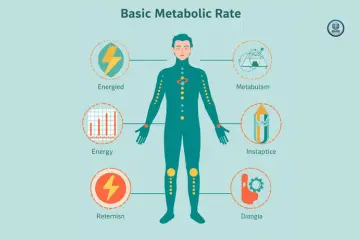
BMR represents the energy your body requires to perform essential life functions while at complete rest.
Functions Included in BMR
- Breathing air in and out of your lungs gently
- Blood circulation through your heart and major vessels
- Brain activity and steady nervous system signaling
- Hormone production to keep vital organs balanced
- Cell repair and ongoing tissue maintenance
- Temperature regulation to keep your core body warm
How Online BMR Calculators Work
Most calculators use established mathematical formulas based on population averages.
Mifflin-St Jeor Equation
Widely regarded by health experts as the most accurate formula for average adults.
Harris-Benedict Equation
A classic mathematical formula created decades ago that remains popular across fitness apps.
Katch-McArdle Formula
An equation designed to estimate baseline needs when your body fat percentage is known.
Why BMR Calculators Are So Popular
People often want quick answers. Entering a few numbers and receiving instant calorie estimates feels simple and reassuring.
Why a BMR Calculator Is Not Medical Advice
This is the most important point many users overlook. A calculator provides estimates, not healthcare recommendations.
Medical Advice Requires Individual Assessment
Healthcare professionals evaluate factors that calculators cannot fully measure.
Medical History
Your personal health background holds crucial clues about your real energy expenditure.
Current Symptoms
Unexplained tiredness or sudden weight shifts signal issues that numbers cannot reveal.
Medications
Prescription drugs can alter metabolic speed and daily energy use in unique ways.
Blood Test Results
Lab work measures key thyroid and metabolic markers that math formulas miss.
Existing Conditions
Long term health issues alter how your body processes energy and repairs tissue.
A Calculator Cannot Diagnose Health Problems
A low or high BMR estimate cannot confirm the presence or absence of a medical condition.
Thyroid Disorders
Underactive or overactive thyroid glands directly change real world metabolic rates.
Hormonal Imbalances
Shifts in key hormones like cortisol can throw off typical energy estimates.
Metabolic Conditions
Complex conditions alter how cells process fuel, bypassing generic online math formulas.
Nutritional Deficiencies
Low levels of vital vitamins can slow down body processes without lowering calculated BMR.
Why Online Results Should Be Treated as Estimates
Even the best formula is based on averages rather than direct measurement.
What a BMR Calculator Can Help With
Although it is not medical advice, a BMR calculator remains a useful nutrition and fitness tool.
Understanding Resting Energy Needs
The result provides a starting point for understanding calorie expenditure.
Building a Weight-Loss Plan
Many calorie calculators use BMR as the foundation for creating calorie targets.
Planning Muscle Gain
Understanding energy requirements helps create more effective nutrition strategies.
Tracking Changes Over Time
Recalculating after weight or body-composition changes can provide useful insights.
What a BMR Calculator Cannot Tell You
Some users expect calculators to answer questions they were never designed to address.
Whether You Are Healthy
Health status involves much more than calorie expenditure.
Whether Your Metabolism Is Damaged
The concept of a “broken metabolism” is often misunderstood online.
Whether You Have a Medical Condition
Only qualified healthcare professionals can assess symptoms and diagnose illnesses.
Your Exact Calorie Needs
Daily calorie requirements vary due to activity, lifestyle, and biological factors.
BMR Calculator vs Medical Assessment
The difference between a digital tool and professional healthcare is substantial. Each serves a different purpose. Comparing online outputs with a real clinical review highlights why digital tools cannot guide medical choices. Here is how these two approaches differ across key health services.
| Factor | BMR Calculator | Medical Assessment |
| Calorie Estimate | Yes | Yes |
| Health Diagnosis | No | Yes |
| Medication Review | No | Yes |
| Blood Test Analysis | No | Yes |
| Personalised Treatment | No | Yes |
| Lifestyle Guidance | Limited | Comprehensive |
Why Professional Context Matters
A healthcare professional sees the whole picture rather than a handful of numbers.
Situations Where You Should Seek Medical Advice
Some symptoms and concerns require professional attention rather than another calculator.
Unexpected Weight Changes
Significant changes without clear explanation should not be ignored.
Persistent Fatigue
Feeling exhausted despite adequate sleep may indicate underlying issues.
Hormonal Symptoms
Hormones play a major role in metabolism and overall wellbeing.
Hair Loss
Thinning hair can point to internal health shifts or missing dietary nutrients.
Temperature Sensitivity
Feeling cold when others feel warm can suggest thyroid or metabolic changes.
Irregular Periods
Changes in menstrual cycles often reflect metabolic stress or low energy availability.
Mood Changes
Low mood or anxiety can accompany underlying physiological or hormonal imbalances.
Chronic Health Conditions
Existing medical conditions often affect calorie requirements and nutritional needs.
Common Misunderstandings About BMR Calculators
A surprising amount of misinformation surrounds metabolism calculators.
Myth: The Result Is Exact
Every calculator provides an estimate, not a guaranteed answer.
Myth: BMR Equals Daily Calorie Needs
Many people mistakenly use BMR as a daily calorie target.
Myth: A Low BMR Means Something Is Wrong
Body size, age, and muscle mass all affect resting metabolism.
Myth: Online Calculators Replace Healthcare Professionals
Tools support decision-making but do not replace medical expertise.
How Accurate Are BMR Calculators?
Most calculators perform reasonably well for the general population, but accuracy varies between individuals.
Factors That Improve Accuracy
Certain inputs help produce better estimates.
Accurate Weight
Using a calibrated scale ensures your baseline input reflects reality.
Accurate Height
Knowing your precise height helps the formula estimate total body volume.
Correct Activity Levels
Picking realistic movement options prevents overestimating your final calorie target.
Updated Measurements
Refreshing your weight and body data keeps calculated estimates relevant over time.
Factors That Reduce Accuracy
Some populations are harder to estimate using standard equations.
Athletes
People carrying extra muscle mass burn energy at rates above basic estimates.
Older Adults
Natural changes in tissue density can make standard population formulas less exact.
Individuals with Medical Conditions
Health issues alter baseline energy burn, pulling real values away from averages.
Significant Muscle Mass Variations
Unusual body composition breaks standard formula assumptions about resting energy needs.
Accuracy Comparison Table
Equation accuracy shifts across different user groups due to underlying body composition variations. This chart breaks down how reliably calculators perform for various profiles.
| User Type | Calculator Accuracy |
| Average Adult | Generally Good |
| Active Gym User | Moderate |
| Athlete | Variable |
| Clinical Patient | Limited |
BMR Calculators, TDEE Calculators, and Medical Testing
Many people confuse these tools, assuming they provide the same information.
BMR Calculators
Estimate resting calorie expenditure.
TDEE Calculators
Estimate total daily calorie requirements.
Metabolic Testing
Measures energy expenditure directly using specialised equipment.
Comparison Table
Understanding how digital tools compare to professional lab tests and GP visits clears up user confusion. Here is a clear breakdown of their core roles.
| Tool | Purpose | Medical Advice? |
| BMR Calculator | Resting Calories | No |
| TDEE Calculator | Daily Calories | No |
| Metabolic Testing | Measure Energy Use | No |
| Medical Consultation | Health Assessment | Yes |
Real-Life Examples of Responsible Calculator Use
Real-world examples show how people can use calculators appropriately without confusing them with medical advice.
Office Worker in London
An office worker in London uses an online estimate to set a baseline meal target before starting a light fitness plan.
Runner in Manchester
A marathon runner in Manchester pairs calculated figures with real training logs to ensure adequate fuel intake.
Retiree in Cornwall
A retiree in Cornwall reviews online estimates, then checks with a GP to ensure the diet suits their health goals.
University Student in Leeds
A student in Leeds learns that late night study sessions and walking across campus alter energy needs beyond basic BMR.
Expert Insight: What Nutrition and Medical Experts Recommend
Experts generally agree that calorie calculators are useful tools when used within their intended purpose.
Perspective from Dr Kevin Hall
Dr Kevin Hall, a leading metabolism researcher, is known for studying energy balance and body-weight regulation.
“Models and equations can be useful, but individual responses often differ from predictions.”
What Registered Dietitians Commonly Advise
Most dietitians use calculators as a starting point and then adjust recommendations based on real-world outcomes.
Best Practices When Using a BMR Calculator
A few simple habits can improve the usefulness of any calorie estimate.
Enter Accurate Measurements
Small errors in weight or height can affect results.
Update Results Regularly
Calorie needs change as body weight and activity levels change.
Combine Results with Progress Tracking
Real-life outcomes are often more valuable than calculator predictions.
Use Estimates Responsibly
Treat the numbers as guidance rather than absolute rules.
Legal and Ethical Disclaimers Commonly Found on Calculator Tools
Most reputable calculator websites include clear disclaimers to protect users and promote responsible use.
Why Disclaimer Statements Matter
They help users understand the limits of digital tools.
Common Disclaimer Elements
Many trusted calculators include similar warnings.
Educational Purposes Only
Tool results exist to inform users, not to deliver clinical diagnoses.
Not Medical Advice
Digital scores do not replace personal guidance from registered doctors or dietitians.
Not a Diagnosis
A low or high calculated number never proves the existence of disease.
Consult a Qualified Professional
Users facing health changes are always encouraged to seek expert medical care.
Frequently Asked Questions About BMR Calculators and Medical Advice
Is a BMR Calculator Accurate?
Calculators offer helpful estimates for average adults, but individual variance means they are never perfectly exact.
Can a BMR Calculator Diagnose Metabolic Problems?
No, online formulas cannot detect thyroid disorders, hormonal shifts, or metabolic diseases.
Should I Eat My BMR Calories?
BMR is only the fuel required at rest, so eating at your BMR level usually creates an overly severe calorie deficit.
When Should I See a Doctor?
Consult a GP if you suffer unexplained weight loss, sudden weight gain, persistent fatigue, or severe appetite drops.
Are BMR Results Medical Advice?
No, calculated outputs are simply math estimates and should never replace professional medical care.
Can Medical Conditions Affect BMR?
Yes, issues like thyroid disease, chronic infections, and hormonal imbalances directly change real resting energy burn.
Is Metabolic Testing Better Than a Calculator?
Lab testing directly measures gas exchange to give precise resting burn figures, whereas calculators only predict averages.
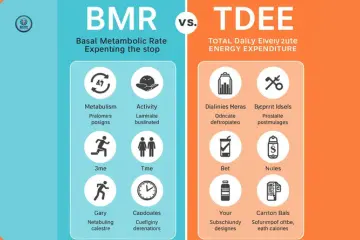
What Is the Difference Between BMR and TDEE?
BMR covers resting life functions, while TDEE adds exercise, work movement, and food digestion to show full daily expenditure.
Why Every BMR Calculator Should Be Viewed as a Tool, Not Medical Advice
A BMR calculator can be an excellent starting point for understanding calorie expenditure, planning nutrition goals, and learning more about metabolism. However, it cannot replace a healthcare professional, diagnose medical conditions, interpret symptoms, or provide personalised treatment. The smartest approach is to use calculator results as guidance while recognising their limitations and seeking professional advice whenever health concerns arise.
Final Recommendation
Reflecting on my early fitness journey in London, I know how easy it is to treat digital numbers as absolute truth. My expert advice is to remember that a bmr calculator is not medical advice, but a helpful guide. Use calculated results to structure your meals, but always listen to your body first. If you experience unusual fatigue, drastic weight changes, or health worries, book a visit with your local GP rather than relying on online formulas.

Ehatasamul Alom is a dedicated health-tech enthusiast and the co-founder of BMRCalculator. With a passion for metabolic science, he focuses on providing accurate health data for the UK community. Ehatasamul ensures that every tool and guide aligns with NHS standards and public health research. His mission is to simplify complex biological data, helping British residents make informed decisions about their fitness, calorie needs, and long-term wellness. When not analyzing health trends, he explores the latest innovations in wearable fitness technology.